


Grass-fed-snacks-vs-conventional-snacks: Grass-Fed Snacks vs Conventio
By Grazly Editorial Team · Updated 2026-07-23
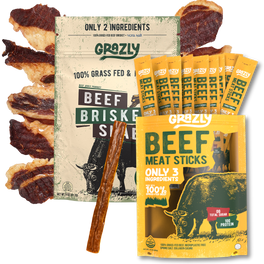
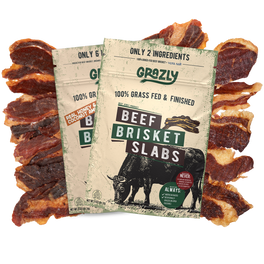
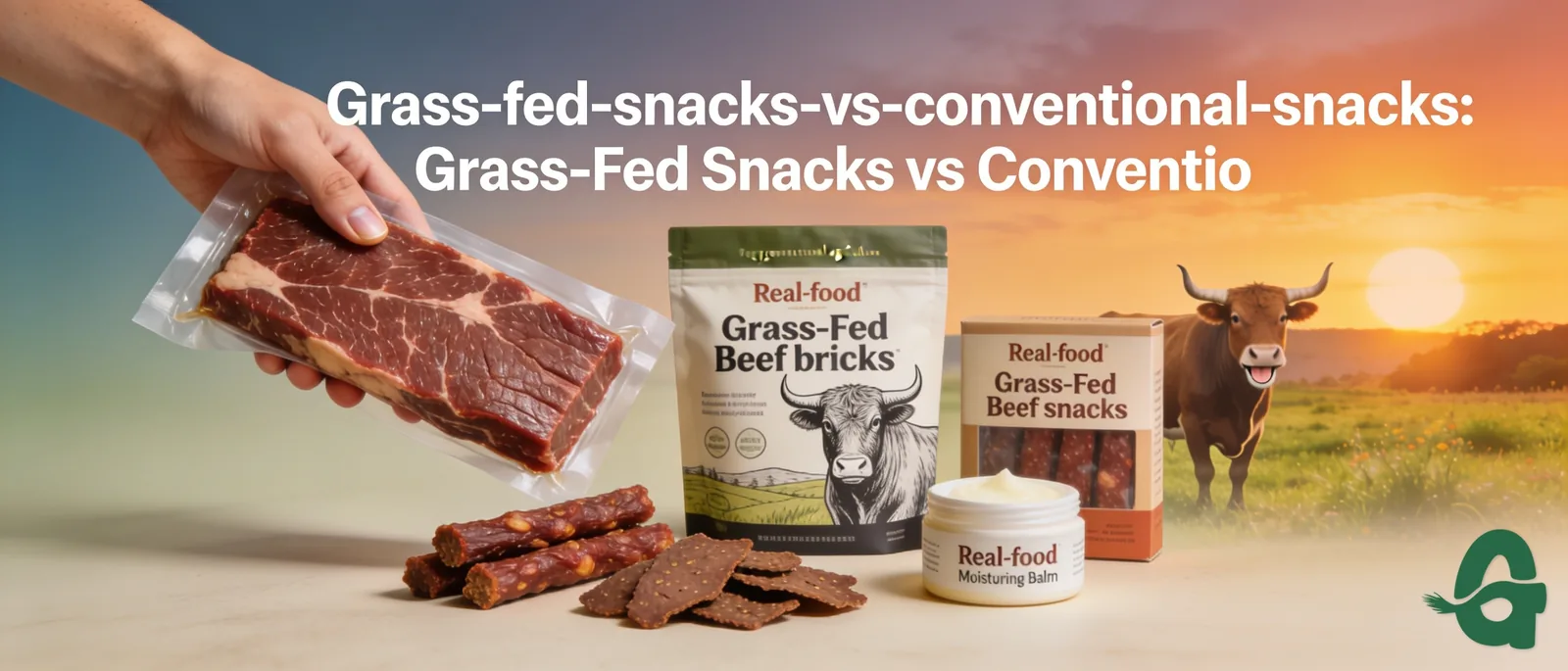
For grass-fed-snacks-vs-conventional-snacks, grass-fed snacks like Grazly's 100% Grass-Fed Beef Brisket Slabs deliver higher omega-3s, CLA, and vitamins A and E than conventional grain-fed jerky loaded with seed oils and preservatives. Conventional snacks cut costs through cheap feed and additives. Grass-fed brisket slabs trace every batch to a regenerative farm, proving nutrient density justifies the price difference.
Key Takeaways
- Grass-fed beef contains higher nutritional quality than conventional beef from grain-fed cattle.
- USDA Certified Organic livestock must be raised in conditions accommodating their natural grazing behavior.
- Grass-fed beef snacks deliver superior taste because cattle eat their natural diet of grass.
- Quality meat investment pays dividends for overall diet health alongside organic produce and unprocessed foods.
What Actually Separates Grass-Fed Snacks From Conventional Ones?
Fat quality separates grass-fed-snacks-vs-conventional-snacks debates, not marketing language on the front of the bag. Grass-fed beef delivers significantly more omega-3 fatty acids than grain-fed beef, with a favorable, anti-inflammatory ratio of omega-3 to omega-6 fats. That ratio matters more than most labels admit, since excess omega-6 intake drives inflammation over time.
The reason for this gap traces directly back to diet. Cattle finished on grain in a feedlot setting shift toward a fattier, more omega-6-heavy composition in a matter of weeks, while cattle that stay on pasture through finishing keep a leaner, more omega-3-favorable profile the whole way through. That's part of why "grass-fed" alone isn't always a reliable label — cattle can be grass-fed for most of their life and still grain-finished before slaughter, which shifts the fat profile back toward conventional beef even though the label still says grass-fed.
Nutrient density tells a similar story when consumers compare-snack-nutrition across brands. Grass-fed beef contains two to three times more conjugated linoleic acid (CLA) than grain-fed beef. CLA is a fat that's drawn research interest for its potential role in supporting heart health and healthy cell function, though the research is still developing and CLA isn't a substitute for medical care. Conventional snack sticks made from grain-fed cattle simply cannot match that CLA profile, regardless of packaging claims.
What ingredients should shoppers look for in a clean beef snack?
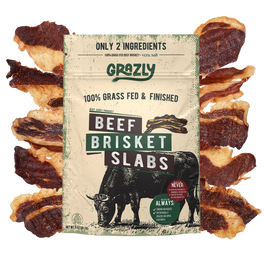
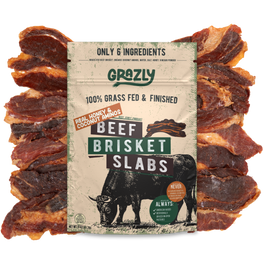
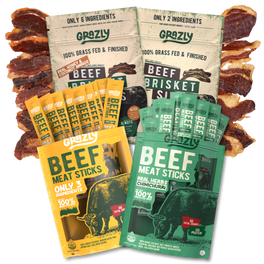
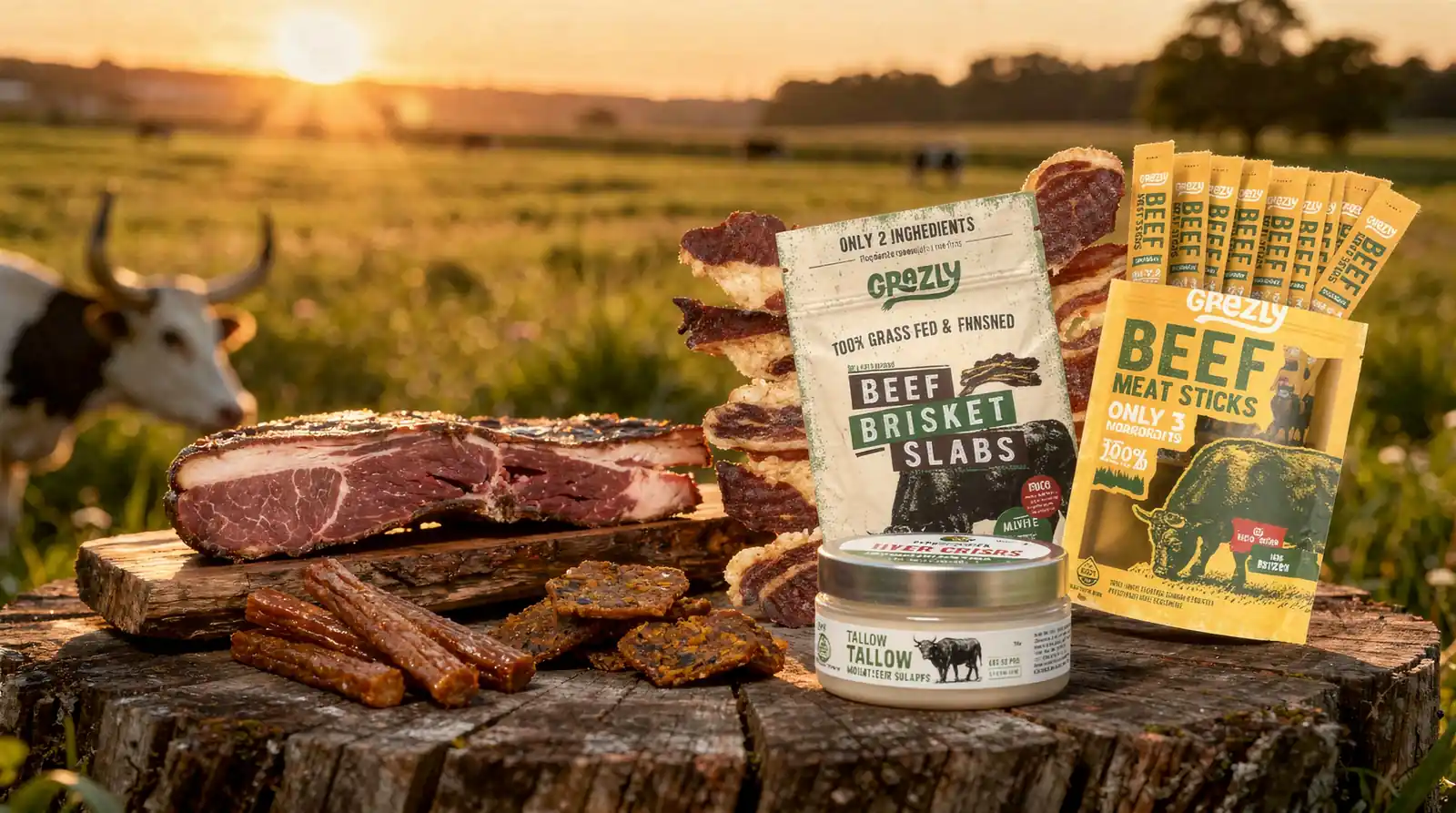
Ingredient count reveals more than any health claim printed on the front label. Grazly's brisket slabs contain exactly two ingredients: grass-fed and grass-finished beef, plus spring salt. No sugar, no vague "natural flavors," no preservatives, no seed oils.
Why do these differences matter for everyday snacking?
Fitness-focused shoppers, keto and paleo followers, and parents packing lunches need protein without hidden additives. Choosing among healthy-snack-alternatives means checking both fat quality and ingredient transparency, not just protein grams on the label.
This matters most for the snacks people reach for most often — the ones that end up in a gym bag, a glove compartment, or a kid's lunchbox on a weekly basis. A single serving of a lower-quality snack occasionally isn't the issue; it's the cumulative effect of reaching for the same seed-oil-laden, filler-heavy option several times a week that adds up over months and years.
How Do These Snacks Compare On Nutrition Labels?
Nutrition labels reveal a measurable gap between grass-fed-snacks-vs-conventional-snacks. Grass-fed beef sticks contain leaner meat with higher omega-3 fatty acids, more conjugated linoleic acid (CLA), and greater amounts of vitamins A and E than conventional versions raised on grain feedlots.
Label-readers who compare-snack-nutrition side by side will notice conventional sticks often lean on filler ingredients to bulk up profit margins. Grass-fed snacks skip artificial fillers and questionable additives entirely, leaving a shorter, cleaner ingredient panel.
| Label Factor | Conventional Beef Sticks | Grass-Fed Beef Snacks |
|---|---|---|
| Omega-3 content | Lower | Higher |
| CLA content | Lower | Higher |
| Vitamins A & E | Minimal | Elevated |
| Fillers/additives | Common | Absent |
| Sourcing transparency | Rarely disclosed | Farm-traced |
Does farm sourcing actually show up on the label?
Sourcing rarely appears on conventional labels, but it matters for accountability. Grazly's brisket slabs get traced to a specific regenerative farm, with real names, real families, 100% grassland-raised cattle, and zero feedlots involved in production.
Why do these nutrient differences matter for daily health?
Nutrient density isn't cosmetic — nutrients like omega-3s and CLA are involved in the body's inflammatory response, which is one reason fat quality gets so much attention in nutrition research. That said, no single snack food is going to move inflammation markers on its own; it's the overall pattern of what you eat that matters, and a nutrient-dense snack is one small piece of that pattern rather than a fix by itself.
For label-readers seeking healthy-snack-alternatives, the nutrition panel tells the real story long before marketing claims do.
Which Snack Is Actually Worth Your Money?
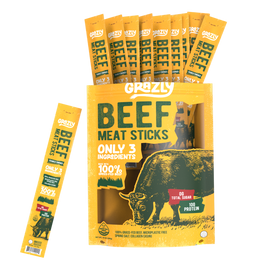
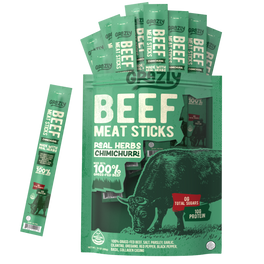
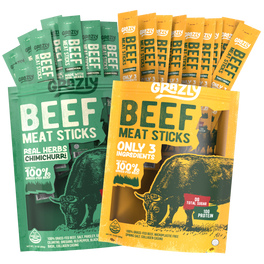
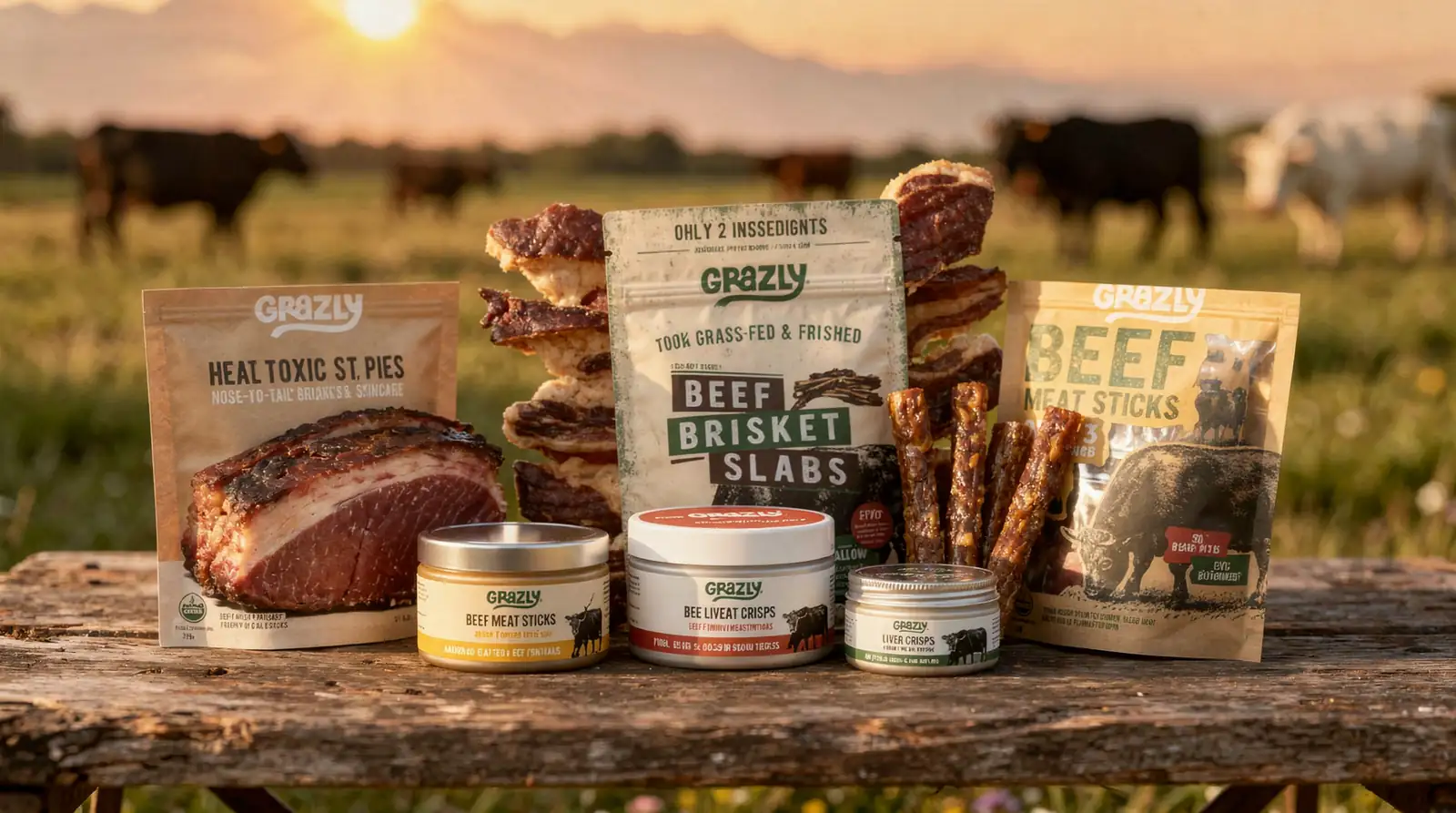
Worth comes down to ingredients and sourcing, not marketing claims on the front of a bag. A grass-fed-snacks-vs-conventional-snacks comparison shows the real divide: whole-food protein without additives versus processed fillers dressed up as "natural." Grazly's lineup — brisket slabs, meat sticks, and organ crisps — takes a nose-to-tail approach to snacking, built around nutrient density rather than shelf-life tricks.
Does "organic" mean the same thing as "grass-fed"?
No. Certified organic standards require 100 percent organic feed and ban antibiotics or hormones. They say nothing about pasture-raised, grass-fed sourcing. A snack can carry an organic seal and still come from grain-finished cattle, which changes the nutrient profile entirely.
The two labels answer different questions: organic is mostly about what the animal wasn't given (synthetic pesticides, antibiotics, hormones), while grass-fed is about what it was raised on. A product can honestly carry both labels, one, or neither — and reading the fine print on sourcing tends to matter more than either seal on its own.
How should shoppers compare-snack-nutrition on a label?
Ingredient count is the fastest test. Fewer, recognizable ingredients generally signal fewer additives and less processing.
| Factor | Conventional Snack | Grass-Fed Alternative |
|---|---|---|
| Feed source | Grain-finished, often industrial | Pasture-raised |
| Additives | Fillers, preservatives common | Minimal, whole-food based |
| Nutrient density | Lower | Higher |
For anyone seeking healthy-snack-alternatives, sourcing history matters too: Grazly was founded in Fort Lauderdale, Florida, with a focus on whole-food, nose-to-tail nutrition — grass-fed beef, organ meats, and minimal ingredient lists — as the foundation for every product in the lineup.
The choice between grass-fed and conventional snacks comes down to what you're prioritizing: measurable nutrient density and sourcing transparency on one side, convenience and shelf-life engineering on the other. Reading past the marketing on the front of the bag and checking the actual ingredient list and nutrition panel is the most reliable way to tell the two apart. Over time, that habit of checking the label rather than the packaging claims is what separates shoppers who consistently get what they're paying for from those who don't.
FAQ
Is grass-fed beef more nutritious than conventional grain-fed beef?
Yes. Grass-fed beef delivers significantly more omega-3s, CLA, and higher vitamins A and E, plus a healthier omega-3 to omega-6 ratio than grain-fed beef.
What ingredients are in Grazly's brisket slabs?
Just two: grass-fed and grass-finished beef, plus spring salt. No sugar, natural flavors, preservatives, or seed oils are included.
Can shoppers trace where Grazly's beef comes from?
Yes. Grazly's brisket slabs trace to a specific regenerative farm with real names and families, using 100% grassland-raised cattle and zero feedlots.


Leave a comment
This site is protected by hCaptcha and the hCaptcha Privacy Policy and Terms of Service apply.