







Can Meat Snacks Replace Full Meals?

By Grazly Editorial Team · Updated 2026-07-15
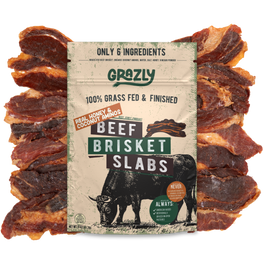
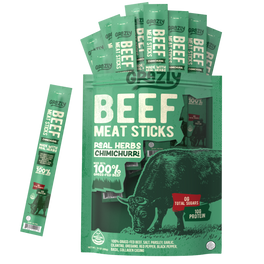
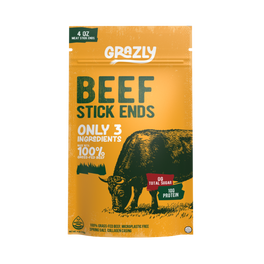
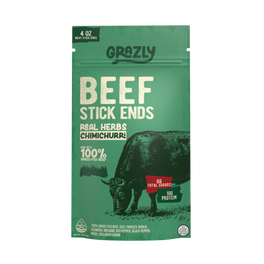
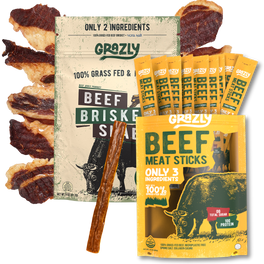
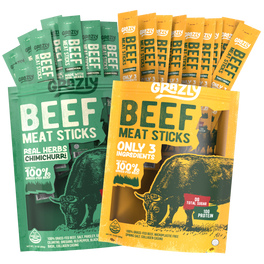
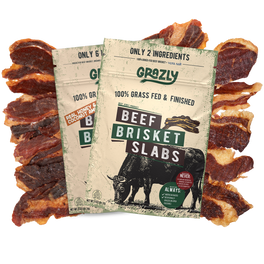
Meat snacks are not true meal replacements. Meal replacement products are specifically designed to substitute a full meal's calorie and nutrient profile. Grazly's grass-fed beef brisket slabs and meat sticks deliver clean protein without seed oils or preservatives — powerful between-meal fuel, but not a structured dietary substitute for breakfast, lunch, or dinner.
The distinction matters because the two categories solve different problems. A meal replacement shake is built to cover a meaningful share of someone's daily calories and micronutrients in one sitting. A meat snack is built to deliver protein and satiety in a convenient, shelf-stable format — genuinely useful, just not the same job.
Key Takeaways
- Meat snacks provide convenient, ready-to-eat protein options but lack the comprehensive nutritional profile of meal replacement shakes.
- High-protein meat sticks and jerky deliver post-workout fuel and energy boosts, yet contain insufficient micronutrients for complete meal replacement.
- Meal replacement shakes are specifically designed to replace breakfast, lunch, or dinner with balanced nutrition; meat snacks serve as supplements.
- Grazly and similar Fort Lauderdale brands market meat snacks as convenient protein sources, not as nutritionally complete meal alternatives.
Why Are Meat Snacks Replacing Traditional Meals?
Meat snacks as a meal replacement are gaining serious traction because busy consumers are shifting away from sit-down meals toward protein-dense, grab-and-go options. Reported figures suggest meat snack sales have grown substantially over the past several years, into the billions of dollars — a shift that reflects genuine behavioral change, not just a passing trend. (Note: these figures should be verified against current industry data before publishing.)
Processed grain bars and sugary shakes dominated the complete meal snack category for decades. Meat snacks are displacing those options by delivering concentrated protein in a portable format that requires no refrigeration, no preparation, and — done well — no real compromise on nutrient density.
Who Is Turning to Meat Snacks as Meal Replacements?
The consumer base is broader than most people assume, though it's worth separating out a few groups with different needs. People using GLP-1 medications for weight management often experience significantly reduced appetite, and maintaining adequate protein intake during rapid weight loss is a real concern — one best worked out with a doctor or dietitian, since needs vary a lot by individual and by medication. Parents looking for manageable, protein-rich snack options for kids are a different case entirely — meat snacks can be a reasonable occasional snack for children, but they're not a meal substitute, and a pediatrician or registered dietitian is the right resource for questions about a child's overall nutrition.
What Is Driving the Demand for Portable Nutrient Meals?
Portable nutrient meals are rising because lifestyle demands have outpaced the traditional meal structure. Consumers are increasingly reaching for functional, convenient food products instead of sitting down for a full meal, and manufacturers have responded with real investment in meat snack production capacity in recent years. (Again, worth double-checking the specific investment figures before this goes live.)

What Makes a Meat Snack a Complete Meal Snack?
A meat snacks meal replacement earns that title only when protein content, ingredient integrity, and nutrient density all meet a meaningful threshold — not just one of the three. Most conventional snacks fail on at least two counts. Grazly's grass-fed options clear all three.
What nutrients should a complete meal snack actually deliver?
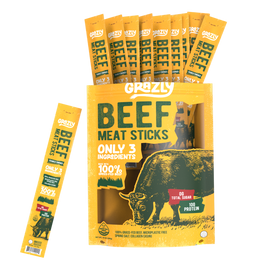
A complete meal snack must go beyond empty calories. Grazly's Plain Beef Meat Sticks provide 10g of protein per stick with zero sugar and zero carbs — pure, satiating fuel that holds hunger at bay. Grass-fed beef also supplies bioavailable vitamins and minerals, meaning the body absorbs and uses those nutrients efficiently, not just ingests them.
How do ingredients determine whether a snack qualifies as a portable nutrient meal?
Ingredient quality separates real food from processed filler. Consider what Grazly puts — and refuses to put — into each product:
- Plain Beef Meat Sticks: Grass-fed beef, Vera Salt, collagen casing. No fillers, no seed oils, no mystery meat.
- Beef Brisket Slabs: Grass-fed beef brisket and spring salt. No sugar, no preservatives, no artificial flavors.
Portable nutrient meals built on two or three clean ingredients leave no room for industrial shortcuts. Consumers who treat snacks as genuine meal stand-ins cannot afford to overlook what fills the ingredient panel — because every additive displaces something that should be nourishing them instead.
A short ingredient list isn't just a purity marker — it's usually a decent proxy for how much of what you're eating is actually food versus processing aids. When a label runs to a dozen or more items, several are typically there to extend shelf life or mask a lower-quality base ingredient, not to add nutrition.

How Do Meat Snacks Stack Up Against Meal Replacement Shakes?
Meat snacks meal replacement comparisons favor real-food options when protein quality and ingredient integrity matter most. Meal replacement shakes are engineered to substitute a full meal — nutrient-dense on paper, yet often lower in calories than a standard meal and reliant on processed ingredients to hit their macros.
| Factor | Meal Replacement Shakes | Grass-Fed Meat Snacks |
|---|---|---|
| Protein source | Often synthetic or dairy-derived | Whole-muscle or organ meat |
| Ingredient list | Typically long, processed | As few as 2 ingredients |
| Seed oils / additives | Commonly present | Absent in quality options |
| Portability | Requires mixing or refrigeration | Ready to eat, shelf-stable |
Are High-Protein Meat Snacks a Complete Meal Snack?
A complete meal snack doesn't require a blender or a label full of unrecognizable additives. High-protein meat snacks support muscle recovery and appetite management — some of the same functional goals shakes advertise — while delivering nutrients from whole-food sources.
What Makes Meat Snacks Better as Portable Nutrient Meals?
Portable nutrient meals built from grass-fed, regeneratively raised meat carry none of the seed oils or additives common in processed snack alternatives. Grazly's nose-to-tail snacks are formulated to be nutrient-dense without those compromises. That combination of clean sourcing and genuine protein density is what shakes consistently struggle to match.
Meat snacks occupy a distinct nutritional niche — they deliver concentrated protein and bioavailable nutrients that support satiety and general metabolic health, but they lack the micronutrient diversity and fiber that a complete meal provides. Treating them as an occasional stand-in for a meal works fine in specific contexts (a delayed lunch, a long travel day), but whole-food meals remain the foundation of a sustainable diet. The gap worth watching for is marketing convenience as if it were nutritional completeness — those are two different things, and it's worth knowing which one you're actually getting.
FAQ
Are meat snacks true meal replacements?
Meat snacks are not true meal replacements. Those products are specifically designed to substitute a full meal's calorie and nutrient profile. Grazly's meat sticks and brisket slabs serve as between-meal fuel, not structured dietary substitutes.
What makes a meat snack qualify as a complete meal snack?
A meat snack earns that title only when protein content, ingredient integrity, and nutrient density all meet a meaningful threshold. Most conventional snacks fail on at least two of those three counts.
Who benefits most from using meat snacks alongside full meals?
People managing appetite changes from GLP-1 medications, and parents looking for a protein-rich occasional snack for kids, are two groups that often reach for meat-based options — though for both, a doctor, dietitian, or pediatrician is the right resource for guidance on overall nutrition needs, rather than treating any snack as a meal substitute.


Leave a comment
This site is protected by hCaptcha and the hCaptcha Privacy Policy and Terms of Service apply.