















How to Add Organ Meats to Your Diet: A Comprehensive Guide to Benefits, Preparation, and Nutrition
By Michael Kagan, Grazly
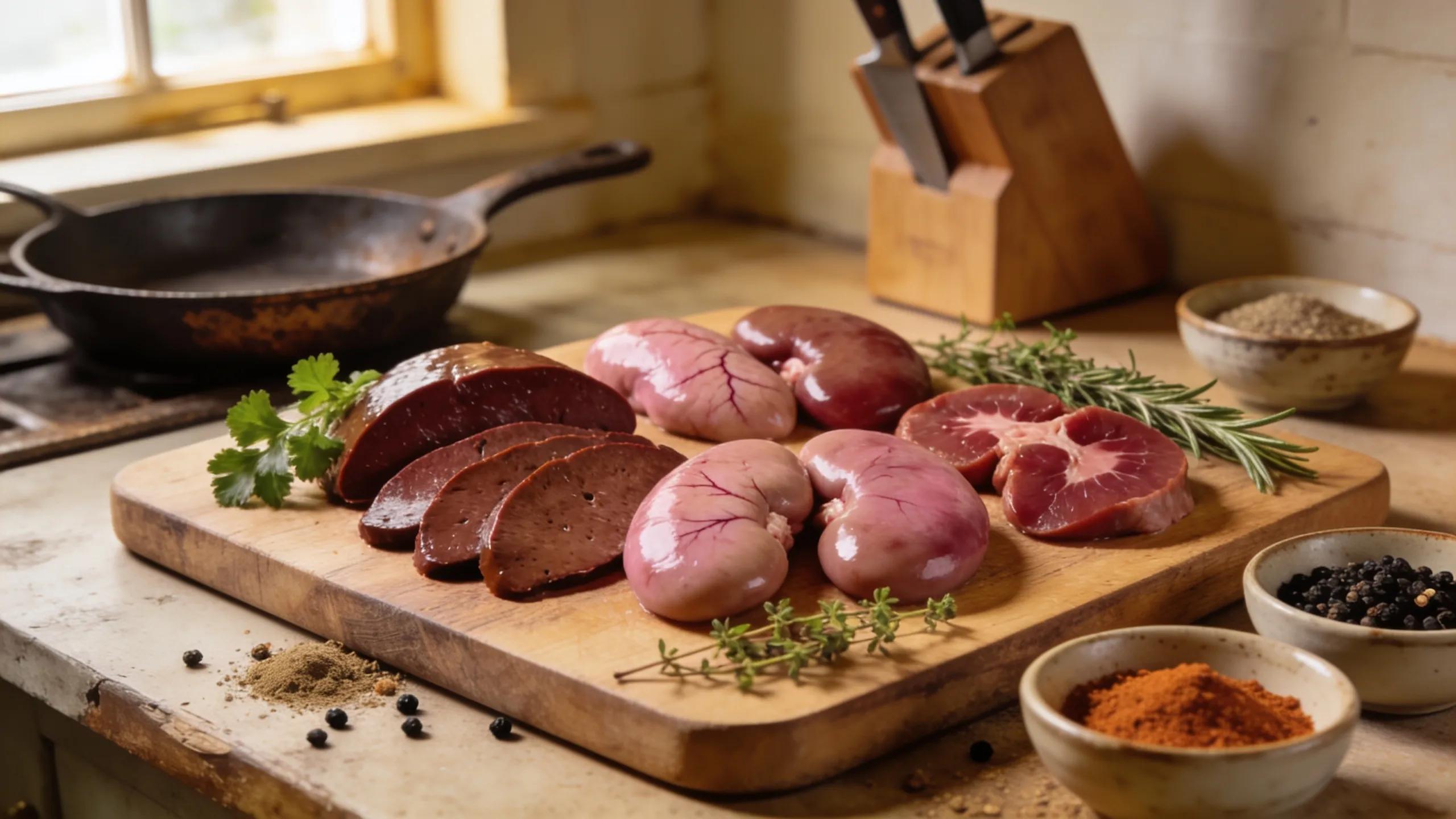
The growing interest in ancestral diets has sparked curiosity about incorporating organ meats into modern cuisine. Rich in nutrients, organ meats can significantly contribute to our overall health and well-being. This guide delves into the numerous benefits of organ meats, preparation methods, nutritional information, and practical tips on adding them to your meals. Many individuals overlook organ meats, often finding them intimidating or unappealing; however, learning how to properly prepare and enjoy these nutrient-dense foods opens the door to a variety of culinary possibilities. Throughout this article, you will discover the benefits of organ meats, safe cooking techniques, and delicious recipes to make incorporating them into your diet both enjoyable and beneficial.
Benefits of Organ Meats
Organ meats are highly nutrient-dense, offering a host of health advantages that can enhance overall well-being. These meats support immune function, provide essential vitamins and minerals, and contribute to cognitive health. They are especially noted for their high levels of vitamin A, B vitamins, iron, and essential fatty acids which are vital for various bodily functions.
Part of what makes organ meats stand out is how concentrated these nutrients are relative to muscle cuts. A modest serving of liver, for instance, can deliver a meaningful share of a day's vitamin A and B12 — nutrients that would otherwise require much larger portions of muscle meat or a wider variety of foods to match.
Additionally, grass-fed organ meats are known to provide even more health benefits. Choosing high-quality products ensures that you consume organ meats free from harmful additives and raised under optimal conditions, which can further enhance their nutritional profile. By incorporating more organ meats into your diet, you can help bridge the gap between modern nutritional deficiencies and the requirements of a balanced diet.
Preparation Methods

Preparing organ meats can be daunting, but with the right techniques, they can become a delightful addition to your meals. Here are some effective methods for cooking organ meats:
- Soaking: Soaking organ meats in milk or lemon juice before cooking can help tenderize the meat and remove any strong flavors.
- Slow Cooking: Cooking organ meats slowly at lower temperatures allows them to soften and enhances their flavor. Stews and braises work wonderfully for this purpose.
- Marinating: Using flavorful marinades can help mask the strong taste of organ meats, making them more palatable. Ingredients like soy sauce, garlic, and herbs are excellent choices.
By employing these techniques, you can easily incorporate organ meats into your culinary repertoire, making them a staple in your diet.
It's worth matching the technique to the organ in question — liver responds well to a quick sear since overcooking makes it grainy, while heart benefits from the long, slow treatment of a stew or braise, which softens its naturally firm texture over time. Getting this pairing right on the first try makes a much bigger difference in how enjoyable the result is than any single seasoning choice.
Nutritional Information
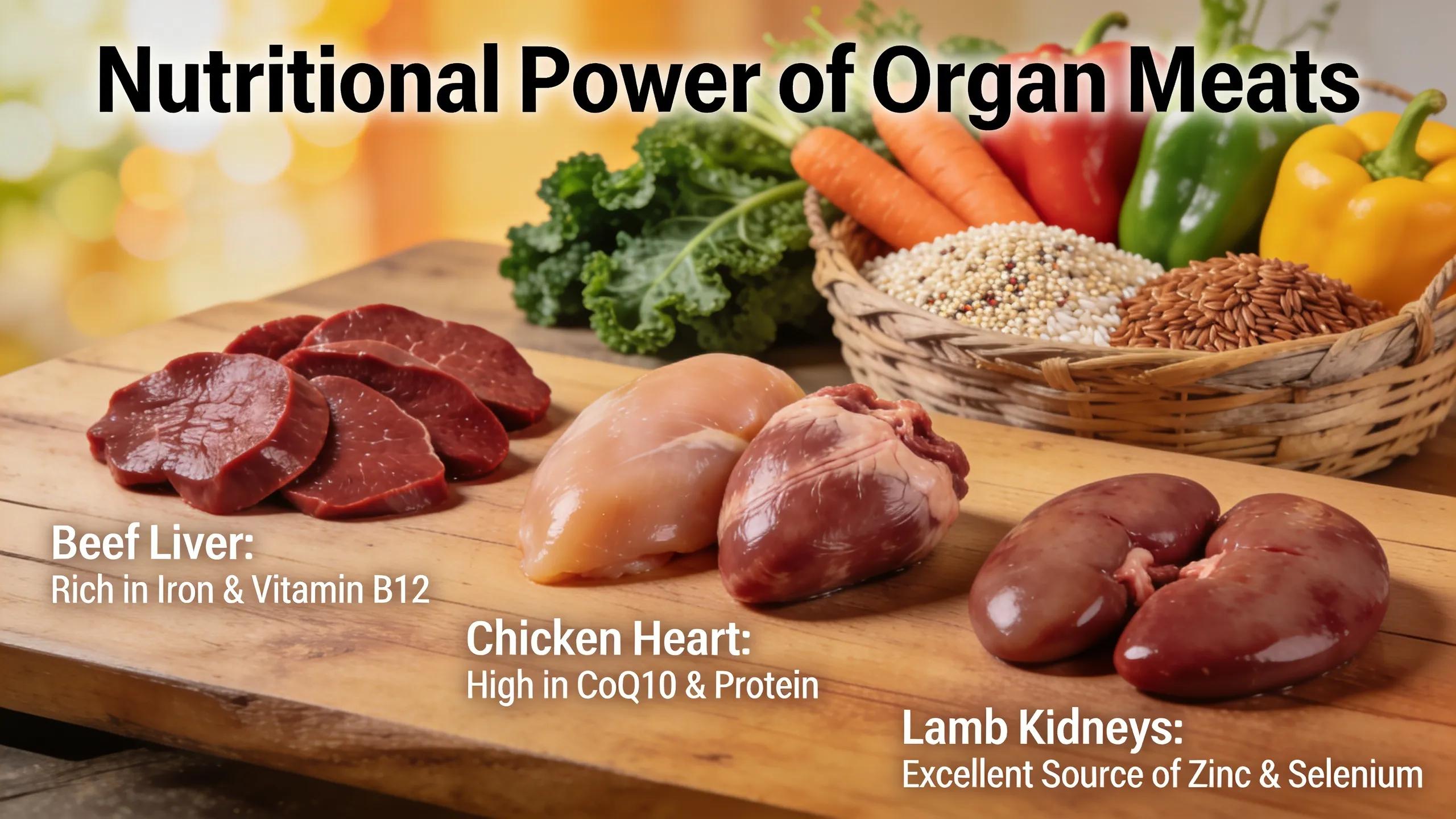
Organ meats pack an impressive nutritional punch that often outshines more common cuts of meat. The table below systematically compares the nutritional benefits of various organ meats:
| Organ Meat | Nutrient | Benefits |
|---|---|---|
| Liver | Vitamin A | Supports vision and immune function |
| Kidney | Iron | Essential for red blood cell production |
| Heart | Coenzyme Q10 | Vital for energy production and cardiovascular health |
Incorporating these nutrient-dense foods into your diet can help alleviate deficiencies and enhance overall health. By understanding the specific benefits of each type of organ meat, you can better tailor your diet to your nutritional needs.
Recommended Recipes and Tips
Adding organ meats to your diet can be a rewarding experience that introduces new flavors and health benefits. Here are some beginner-friendly recipes and tips:
- Liver Pâté: A classic dish where you can blend sautéed liver with butter and seasonings for a smooth spread.
- Heart Stew: Simmer pieces of beef heart with vegetables and herbs in a savory broth for a hearty meal.
- Kidney Pie: A comforting dish that combines diced kidneys, mushrooms, and seasonings baked in a flaky pastry.
To make the transition easier, consider incorporating products which offer high-quality, grass-fed organ meats that ensure you're getting the best nutrients while enjoying new flavors. Experiment with these recipes to discover your favorites and make organ meats a regular part of your meals.
What Are the Nutritional Benefits of Eating Grass-Fed Organ Meats?
Grass-fed organ meats are known for their superior nutrient profiles compared to conventionally raised meats. They typically contain higher levels of omega-3 fatty acids, antioxidants, and essential vitamins. The nutrient density of grass-fed organ meats supports improved immune function and overall health, making them an ideal choice for those looking to optimize their dietary intake.
How Do Organ Meats Support Gut Health?
Organ meats can play a role in supporting gut health thanks to their collagen and glycine content, nutrients that support the gut's protective lining. Some research also points to a broader role for whole-food nutrients in supporting a healthy inflammatory response, which is one reason nutrient-dense foods like organ meats often come up in conversations about gut and immune health.
That said, organ meats are a supporting piece of a nutrient-dense diet, not a treatment for any diagnosed condition. If you have an autoimmune condition or another chronic diagnosis, talk to your doctor before making significant dietary changes — especially before changing any medication — since individual needs vary widely and diet works best alongside medical care, not in place of it.
Risks and Moderation
While organ meats provide numerous benefits, consumption should be balanced with caution. High intakes of vitamin A from certain organ meats, like liver, can lead to toxicity, so moderation is key. It is advisable to consult with healthcare professionals before making significant dietary changes, particularly for those with existing health conditions.
Consider following these guidelines:
- Limit organ meat consumption to a few times a week.
- Balance with plenty of vegetables and other nutrient-dense foods.
- Monitor personal tolerance and reactions, especially for individuals with allergies to certain proteins.
By adhering to these practices, you can enjoy the benefits of organ meats without the risks associated with overconsumption.
A recent study reinforces the nutritional value of various organ meats, confirming that cooking can even enhance the concentration of key micronutrients.
Nutritional Composition of Cooked Versus Raw Bovine Offal
This study aimed to ascertain a specific set of nutrients in both raw and cooked C-age, fat code 2 bovine offal, and to assess its viability as a nutrient source, particularly for protein and iron. Samples from various raw and cooked C-age, fat code 2 bovine offal cuts underwent analysis by accredited laboratories. Cooking primarily influenced nutrient levels such as moisture, protein, fat, ash, and energy, with micronutrient values generally higher in the cooked offal preparations. Certain offal cuts (e.g., heart, lungs, and spleen) exhibited leanness comparable to or exceeding that of chicken meat. Nutrient content of South African C2 beef offal, 2014
Incorporating organ meats into your diet can significantly enhance your nutritional intake and contribute to overall well-being. By understanding the advantages, preparation techniques, and potential risks, you can navigate incorporating these nutrient-dense foods into your meals. As you explore new recipes and cooking methods, consider high-quality grass-fed options for added health benefits. As you embrace diverse culinary practices, remember that moderation is essential for a balanced and healthful diet.


Leave a comment
This site is protected by hCaptcha and the hCaptcha Privacy Policy and Terms of Service apply.