








Comprehensive Benefits Comparison: Organ Meat vs Muscle Meat Nutrition and Health

By Michael Kagan, Grazly
Organ meat and muscle meat are staples in many diets, but their nutritional benefits differ significantly. Understanding these differences can empower consumers to make better dietary choices. This article provides a comprehensive analysis of organ meat versus muscle meat, highlighting their distinctive nutritional profiles and health impacts. Readers will learn about the various nutrients present in each type of meat, their associated health benefits, and practical tips for incorporating them into their diets. By exploring these aspects, we aim to illuminate the often-overlooked advantages of organ meat, which can play a crucial role in enhancing overall health and well-being.
Nutritional Values:
Examining the nutritional contributions of organ and muscle meats reveals a varied landscape of benefits. Organ meats, often regarded as nutrient-dense, offer a plethora of vitamins and minerals that are crucial for various bodily functions. Muscle meats, while rich in protein and certain essential fatty acids, may not provide the same breadth of nutrients. This section will delve into the specific nutritional values associated with both types of meat, giving readers a clearer picture of their dietary importance.
Organ Meats:
Organ meats, such as liver, heart, and kidneys, are renowned for their rich nutrient profiles. They are particularly high in vitamins A, B12, and various forms of iron, which are essential for metabolic health and energy levels.
- Vitamin A: Critical for vision, immune function, and skin health.
- Vitamin B12: Important for red blood cell formation and neurological function.
- Iron: A vital component of hemoglobin, aiding in oxygen transport across the body.
These nutrients found in organ meats contribute significantly to overall health, supporting immune function and cognitive abilities.
Muscle Meats:
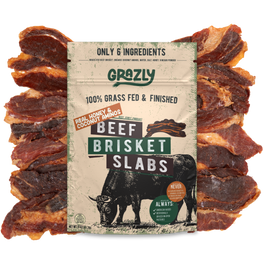
Muscle meats, including cuts from beef, pork, and chicken, primarily provide high-quality protein and essential fatty acids. These meats are crucial for muscle repair and energy sustenance due to their high levels of amino acids.
- Protein: Vital for muscle growth and repair after physical activity.
- Fatty Acids: Grass-fed muscle meats often contain beneficial omega-3 fatty acids, which support heart health.
The protein-rich profile of muscle meats makes them an excellent choice for active individuals, further enhancing their energy levels and recovery capabilities.
Health Impacts:
Understanding the health impacts associated with both organ and muscle meats helps delineate their roles in a balanced diet. While both have their distinct benefits, they also come with potential drawbacks that should be considered.
Benefits of Organ Meats:
The health benefits derived from organ meat consumption are substantial. For example, the abundance of vitamins and minerals in organ meats aids in:
- Immune Support: Nutrients like Vitamin A and zinc bolster immune function.
- Cognitive Health: B vitamins assist in preventing cognitive decline and support brain health.
Moreover, organ meats can also provide a significant source of energy, making them particularly beneficial for those with heightened nutritional needs, such as athletes or individuals recovering from illness.
For those considering incorporating organ meats into their diet, products like grass-fed organ meats can be found at specialized retailers, offering easily accessible nutrient-rich options.
Potential Drawbacks of Organ Meats:
Despite their health benefits, overconsumption of organ meats may lead to potential drawbacks. High vitamin A intake can pose toxicity risks, especially for individuals with specific health conditions.
- Vitamin A Toxicity: Excessive intake can cause serious health issues, including liver damage and headaches.
- Health Conditions: Those with certain health conditions should consult healthcare professionals before introducing organ meats into their diets.
Awareness of these drawbacks can help individuals make informed dietary choices that prioritize health without compromising safety.
Benefits of Muscle Meats:

Muscle meats provide numerous health advantages, primarily associated with their protein content and nutrient profiles. These benefits include:
- Muscle Repair and Growth: The protein in muscle meats helps restore muscle tissues post-exercise.
- Energy Sustainment: They provide the necessary calories and fats that support prolonged energy for daily activities.
Incorporating a variety of muscle meats can also contribute to a balanced diet, enhancing overall nutrient intake and maintaining energy levels throughout the day.
Potential Drawbacks of Muscle Meats:
However, there are also potential drawbacks to exclusive consumption of muscle meats that should be acknowledged.
- Nutritional Deficiencies: Relying solely on muscle meat can create nutrient gaps, particularly in vitamins and minerals typically found in organ meats.
- Imbalanced Diets: It's essential to ensure a varied diet that includes different food groups to avoid nutritional deficiencies.
Balancing muscle meats with other food sources, including fruits, vegetables, and grains, is vital for a well-rounded diet.
What Nutritional Advantages Does Organ Meat Offer Over Muscle Meat?
Organ meats provide unique nutritional advantages when compared to muscle meats. The high concentration of vitamins and minerals found in organ meats makes them a powerful addition to any diet.
- Richer in Vitamins: Organ meats are generally richer in key vitamins like Vitamin A and several B vitamins, which play critical roles in bodily functions.
- Mineral Density: Iron and other minerals are present in higher concentrations, significantly impacting energy levels and overall health status.
This distinct nutrient density makes organ meats an excellent choice for those looking to enhance their diet with wholesome, nutrient-rich foods.
Which Vitamins and Minerals Are Abundant in Organ Meat?
Certain vitamins and minerals are particularly abundant in organ meats, contributing to their health benefits.
- Vitamin A: Promotes eye health and immune function.
- Vitamin B12: Supports red blood cell formation and neurological health.
- Iron: Essential for effective oxygen transportation in the blood.
These nutrients play vital roles in promoting optimal health, particularly in individuals who may require more robust nutritional support.
How Does Muscle Meat's Nutrient Profile Compare?
Muscle meat's nutrient profile is heavily focused on protein and essential fatty acids, vital for muscle repair and energy.
- Protein Content: Supports muscle maintenance and growth.
- Fatty Acids: Offers healthy fats, particularly in grass-fed varieties.
While muscle meat provides essential nutrients, it often lacks the broader spectrum of vitamins and minerals present in organ meats, highlighting the importance of dietary diversity.
How Does Consuming Grass-Fed Meat Enhance Overall Health?
Opting for grass-fed meat, whether organ or muscle, can substantially enhance overall health due to higher nutrient levels and healthier fat profiles. Grass-fed options tend to contain more omega-3 fatty acids and antioxidants.
- Higher Omega-3s: Grass-fed meat has a more balanced fatty acid profile, supporting cardiovascular health.
- Increased Antioxidants: Natural diets lead to higher antioxidants, which combat oxidative stress.
Incorporating grass-fed products can support individual dietary goals while promoting optimal nutrition.
Why Choose Grass-Fed Organ and Muscle Meats?
Grass-fed meats are associated with numerous benefits, making them an advantageous choice for consumers. By choosing these products, individuals can access heightened health benefits, such as:
- Improved Nutritional Content: Grass-fed meats are often higher in beneficial nutrients compared to grain-fed alternatives.
- Better Taste and Quality: Many consumers report a superior flavor in grass-fed meats, enhancing the dining experience.
These factors make grass-fed options an appealing choice for health-conscious consumers.
What Role Does Grass-Fed Meat Play in Gut Health?
Gut health can benefit from incorporating grass-fed organ and muscle meats into the diet. These meats provide nutrients that support the body's natural gut and immune function.
- Nutrient Density: Rich vitamins and minerals support the body's natural repair and immune processes.
- Anti-inflammatory Properties: Omega-3 fatty acids found in grass-fed meats are associated with a healthier inflammatory response.
For anyone managing an autoimmune condition specifically, it's worth being clear-eyed about what diet can and can't do: nutrient-dense foods like grass-fed meat can be a reasonable part of an overall approach, but they aren't a treatment for a diagnosed autoimmune disease. Talk to your doctor before making significant dietary changes, especially if it involves adjusting medication — diet works best as a complement to medical care, not a replacement for it.
What Preparation and Consumption Strategies Optimize Benefits from Organ and Muscle Meats?
Adopting specific preparation and consumption strategies can enhance the health benefits derived from organ and muscle meats.
- Cooking Techniques: Utilizing slow cooking for organ meats can help retain nutrients while improving palatability.
- Balancing with Plant Foods: Pairing these meats with vegetables and whole grains can provide a more balanced nutrient profile.
By focusing on preparation methods and dietary balance, individuals can optimize the nutritional benefits of both organ and muscle meats.
How Should Organ Meat Be Prepared to Retain Nutrients and Improve Palatability?
Preparation methods play a crucial role in maximizing organ meat's health benefits. Techniques such as:
- Slow Cooking: Helps break down tougher fibers, rendering the meat tender while preserving nutrients.
- Marination: Utilizing acidic components can enhance flavors and reduce gamey tastes, improving the overall eating experience.
Targeted preparation can significantly affect the enjoyment and nutrient retention of organ meats.
What Are Best Practices for Incorporating Muscle Meat into an Ancestral Diet?
Incorporating muscle meat into an ancestral diet requires a thoughtful approach. Best practices include:
- Variety in Cuts: Choosing different cuts can diversify nutrient intake.
- Grass-Fed Options: Selecting grass-fed muscle meats can enhance nutrient profiles and taste.
Following these best practices supports a healthier diet closely aligned with ancestral eating habits.


Leave a comment
This site is protected by hCaptcha and the hCaptcha Privacy Policy and Terms of Service apply.