


Grass-Fed vs. Grass-Finished Beef: Understanding the Differences and Their Impact on Health and Sourcing
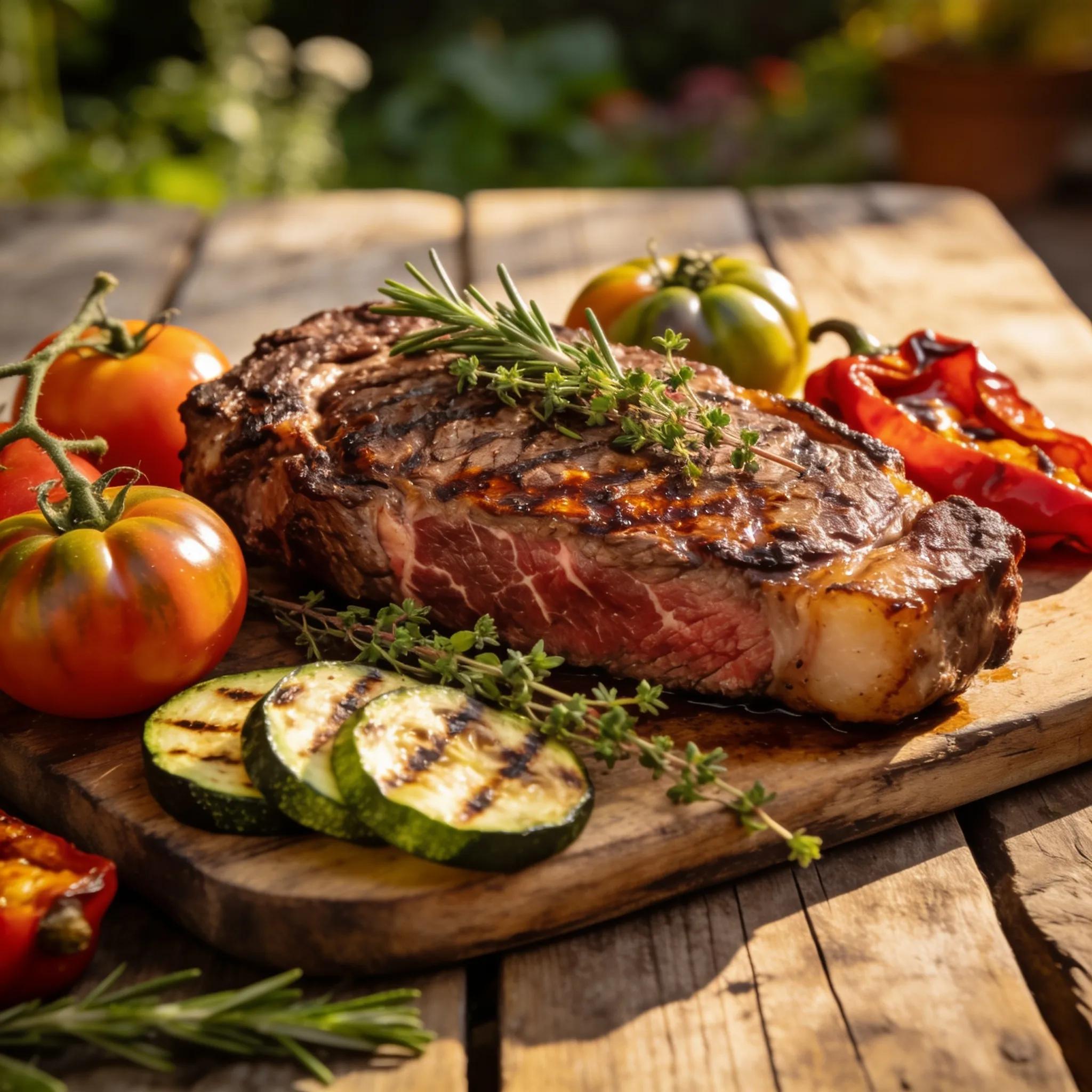
The distinction between grass-fed and grass-finished beef matters more than most shoppers realize. Grass-fed beef typically comes from cattle that spent their lives grazing on pasture, while grass-finished specifically means the animal ate nothing but grass right up through slaughter — no grain finishing at the end. That difference affects nutrition, flavor, and how sustainably the beef was actually produced. This article walks through the definitions, what labels and certifications actually guarantee, the nutritional differences backed by research, and practical tips for choosing well at the store.
What Defines Grass-Fed and Grass-Finished Beef?
Understanding what grass-fed and grass-finished actually mean is the foundation for telling these two categories apart.
What Is Grass-Fed Beef and Its Key Characteristics?
Grass-fed beef comes from cattle raised primarily or entirely on a grass diet, generally producing leaner meat with a distinct flavor. Because the feed is forage-based rather than grain-based, the cattle follow a slower, more natural growth process. This is reflected in the meat's nutrition too — grass-fed beef tends to carry higher levels of omega-3 fatty acids and antioxidants than conventional grain-fed beef. One common misconception trips up plenty of shoppers: assuming grass-fed beef will taste or cook noticeably differently in a way that puts them off, when in practice the differences are often subtle enough that many people don't notice unless they're looking for them.
How Does Grass-Finished Beef Differ From Grass-Fed?
Grass-finished beef specifically means the animal ate grass for its entire life, including the final months before slaughter — the stage where many "grass-fed" cattle actually get switched to grain to fatten up quickly before processing. Because grass-finished cattle skip that switch, they tend to hold onto a more robust flavor and higher nutrient density all the way through. That distinction is exactly why "grass-finished" often carries a price premium over beef that's simply labeled "grass-fed": it's a stronger, more complete guarantee about what the animal actually ate.
How Do Beef Labels and Certifications Ensure Transparency?
Labels exist to help consumers understand how cattle were actually raised, but they only work if you know what they mean.
What Are Common Beef Labeling Standards for Grass-Fed and Grass-Finished?
Common labels like "100% Grass-Fed" and "Grass-Finished" are meant to indicate the cattle were raised on grass for their entire lives, with certifications coming either from government standards or from third-party organizations focused on sustainability and animal welfare. Understanding what each label actually promises — and which ones carry real third-party verification versus which are just marketing language — helps consumers support genuinely transparent farming practices rather than just a well-designed package.
How Can Consumers Accurately Read and Interpret Beef Labels?
Reading beef labels well comes down to watching for a few common mix-ups: "grass-fed" isn't the same as "grain-fed," and neither is automatically the same as "pasture-raised," which describes living conditions rather than diet specifically. Prioritizing labels backed by a reputable certifying body — rather than taking front-of-package language at face value — is the most reliable way to actually get what you think you're paying for.
What Are the Nutritional Differences Between Grass-Fed and Grass-Finished Beef?
Both grass-fed and grass-finished beef offer real nutritional advantages over grain-fed beef, though the strength of the effect depends on how completely the animal's diet was grass-based.
Which Nutrients and Fatty Acids Are Enhanced in Grass-Finished Beef?
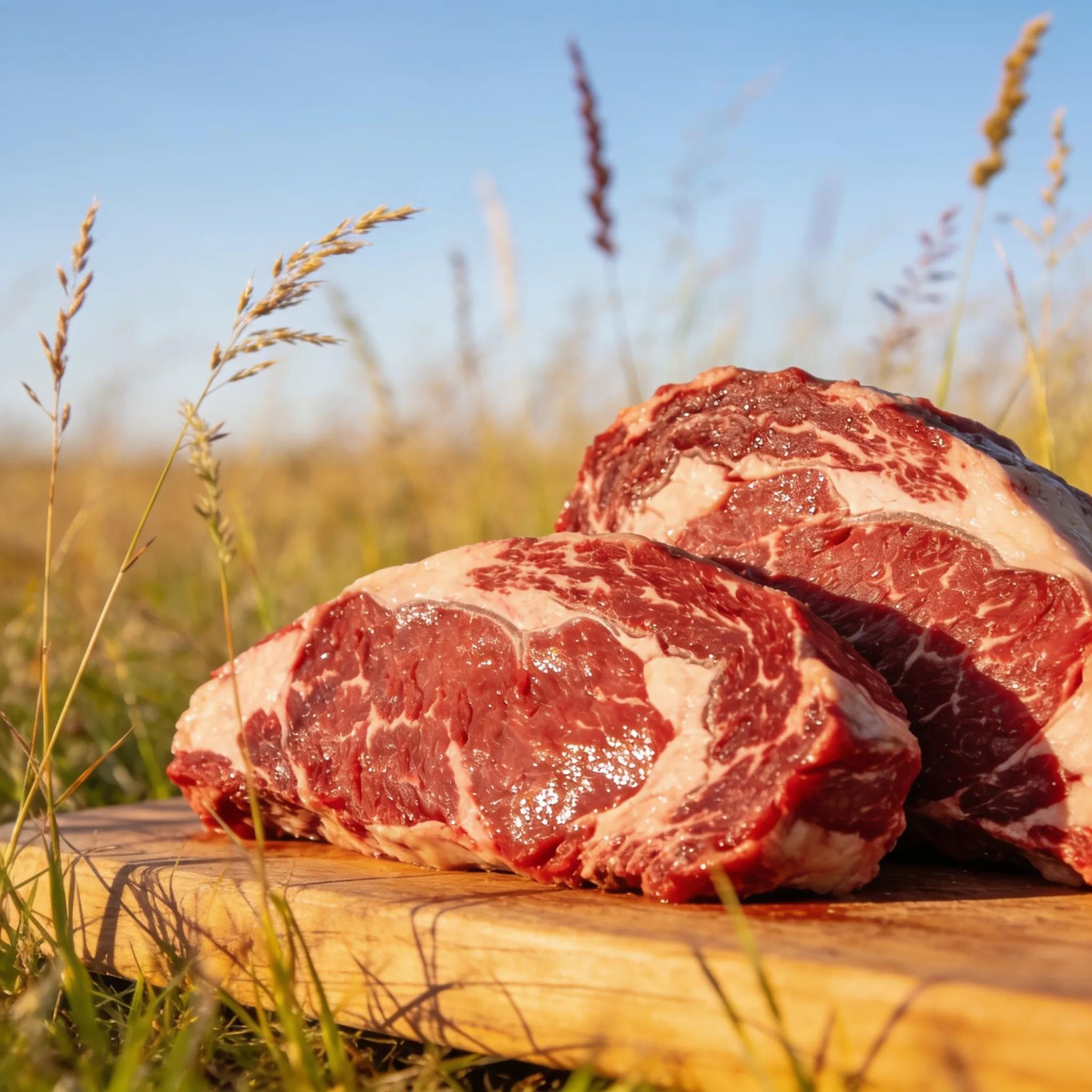
Grass-finished beef tends to carry higher concentrations of beneficial nutrients, particularly omega-3 fatty acids associated with better heart health. Research has also found grass-finished beef contains more conjugated linoleic acid (CLA), a compound of ongoing research interest for its potential role in supporting a healthy inflammatory response. These differences trace directly back to diet — forage-fed cattle simply produce a different fat profile than grain-fed ones.
Consumer Interest & Nutritional Benefits of Grass-Finished Beef
There is increased consumer interest in grass-finished beef (GFB) with retail sales reaching $272 million in 2016. GFB contains higher omega-3 fatty acid levels compared to grain-finished beef, but variations in fatty acid (FA), mineral, and antioxidant content by producers and season is poorly documented. Hence, GFB samples from cattle finished in both fall and spring were obtained from four producers representing several US sub-regions.Seasonal differences exist in the polyunsaturated fatty acid, mineral and antioxidant content of
US grass-finished beef, R Jain, 2020
How Recent Studies Update Our Understanding of Beef Nutrition
Research in recent years has sharpened our understanding of how beef production methods affect nutrition — not just confirming that grass-finished beef has a better fatty acid profile, but also pointing to higher antioxidant content as part of the picture. As with most areas of nutrition science, the details continue to get refined, but the overall direction of the evidence is fairly consistent: what cattle eat shapes the nutritional value of the beef in measurable, meaningful ways.
Nutritional Differences: Grass-Fed vs. Grain-Fed Beef
Growing consumer interest in grass-fed beef products has raised a number of questions with regard to the perceived differences in nutritional quality between grass-fed and grain-fed cattle. Research spanning three decades suggests that grass-based diets can significantly improve the fatty acid (FA) composition and antioxidant content of beef, albeit with variable impacts on overall palatability. Grass-based diets have been shown to enhance total conjugated linoleic acid (CLA) (C18:2) isomers,transvaccenic acid (TVA) (C18:1 t11), a precursor to CLA, and omega-3 (n-3) FAs on a g/g fat basis. While the overall concentration of total SFAs is not different between feeding regimens, grass-finished beef tends toward a higher proportion of cholesterol neutral stearic FA (C18:0), and less cholesterol-elevating SFAs such as myristic (C14:0) and palmitic (C16:0) FAs.A review of fatty acid profiles and antioxidant content in grass-fed and grain-fed beef, 2010
Why Does Beef Sourcing Matter for Health and Sustainability?
Where and how beef is raised affects both health outcomes and the environmental footprint of getting it to your plate — which is why sourcing deserves real attention, not just a glance at the front label.
What Environmental Impacts Are Linked to Different Beef Feeding Practices?
Feedlot cattle raised on grain diets are associated with heavier environmental costs, including higher greenhouse gas emissions and water use. Grass-fed and grass-finished systems, by contrast, are more often paired with regenerative practices that support soil health and can help reduce the overall carbon footprint of beef production. For consumers who care about sustainable eating, understanding these tradeoffs is a meaningful part of the decision.
How Does Ethical Sourcing Affect Animal Welfare and Consumer Health?
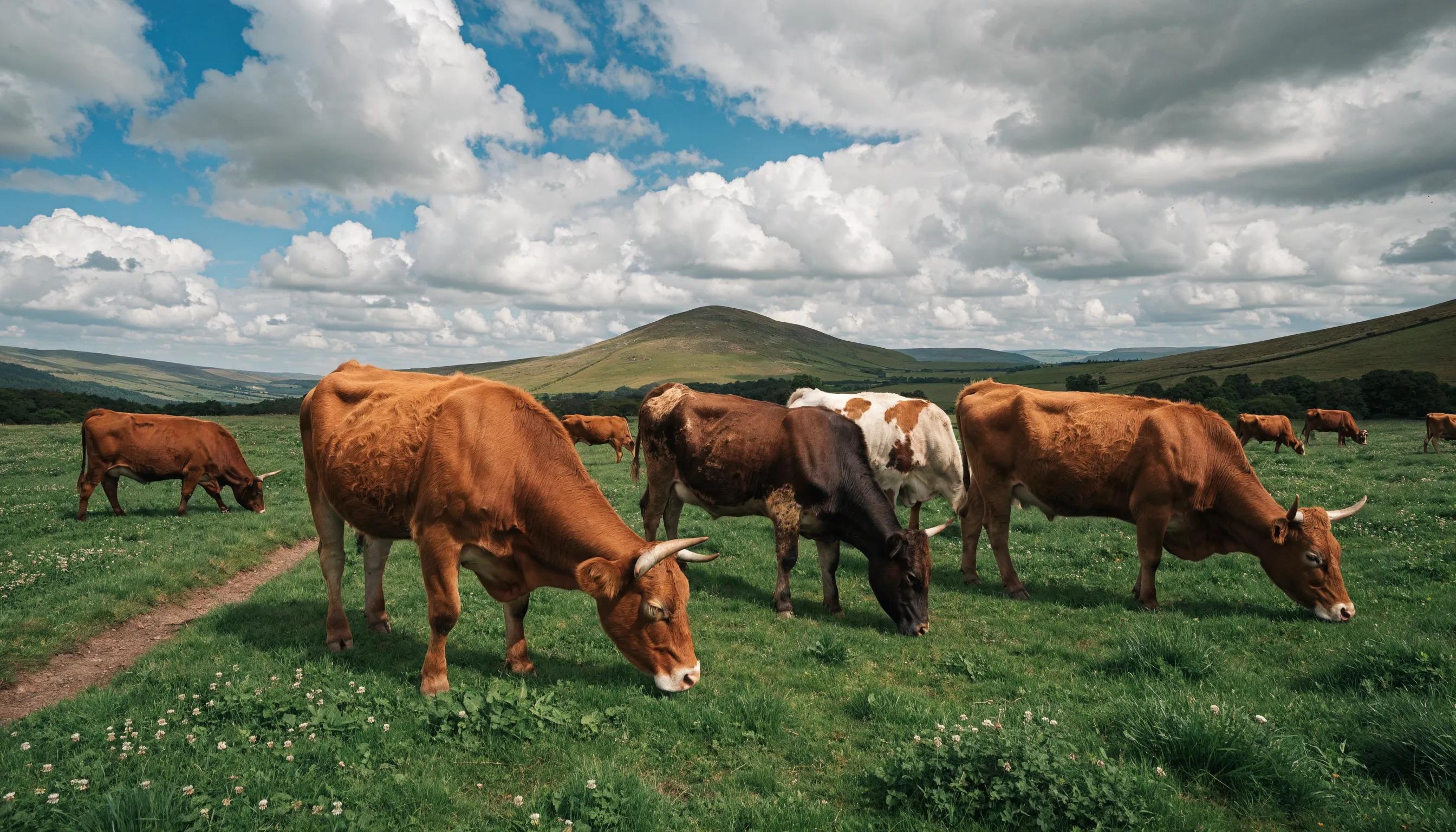
Ethical sourcing is about more than environmental impact — it's also about how the animals themselves were raised. Cattle raised under humane conditions on a natural, pasture-based diet tend to produce better outcomes on both fronts: healthier animals, and a more nutritionally sound end product for the people eating it. Purchasing decisions made with this in mind support a food system that treats both animal welfare and consumer health as connected, not separate, concerns.
What Practical Tips Help Consumers Choose Between Grass-Fed and Grass-Finished Beef?
Deciding between grass-fed and grass-finished beef can feel complicated at first, but a few practical habits make it manageable.
How to Evaluate Beef Products Using Label and Certification Information
Start by looking for clear labeling that specifies both the type of beef and its source, along with any certifications tied to ethical or sustainable practices. Checking product specifications online or asking in-store, rather than relying purely on packaging claims, adds a useful layer of verification. Transparency from the seller is generally the best signal that a product matches its label.
What Questions Should Consumers Ask to Ensure Beef Quality and Authenticity?
A few direct questions go a long way: "Is this beef grass-finished, or just grass-fed?" and "What certifications does this beef actually hold?" are both worth asking before you buy. Sellers who can answer clearly and specifically are usually the ones actually following through on the practices their labels claim — and that kind of transparency is worth seeking out and rewarding with your purchase.


Leave a comment
This site is protected by hCaptcha and the hCaptcha Privacy Policy and Terms of Service apply.