





Energy and Cognitive Performance: How Grass-Fed Beef Enhances Mental Clarity through Nutrient-Rich Brain Boosting Foods

Grass-fed beef has emerged as a significant player in enhancing cognitive performance and mental clarity through its rich nutritional profile. With a focus on essential fats and vitamins, this dietary choice offers compelling benefits for brain health. The article explores how the high-quality nutrients found in grass-fed beef can support cognitive function, improve energy levels, and promote overall mental clarity. Many individuals today face challenges with cognitive fatigue and lack of focus as they navigate demanding tasks and busy lifestyles. Grass-fed beef provides a robust solution, delivering essential components that fuel brain activity effectively. Throughout the following sections, we will delve into the key components of grass-fed beef, its comparison to grain-fed beef, and practical ways to incorporate it into your diet for maximum cognitive benefits.
What Are the Key Nutritional Components of Grass-Fed Beef That Support Brain Health?
Grass-fed beef is renowned for its superior nutritional composition, which includes essential vitamins and fatty acids crucial for brain health. Prominent among these components are omega-3 fatty acids, L-carnitine, and coenzyme Q10, all of which play significant roles in energy metabolism and cognitive enhancement. The inclusion of these nutrients not only supports physical health but also contributes to improved mental clarity and performance during high cognitive demand tasks. Understanding the specific benefits of these nutrients is essential for anyone looking to optimize their cognitive function.
How Do Omega-3 Fatty Acids in Grass-Fed Beef Improve Cognitive Performance?
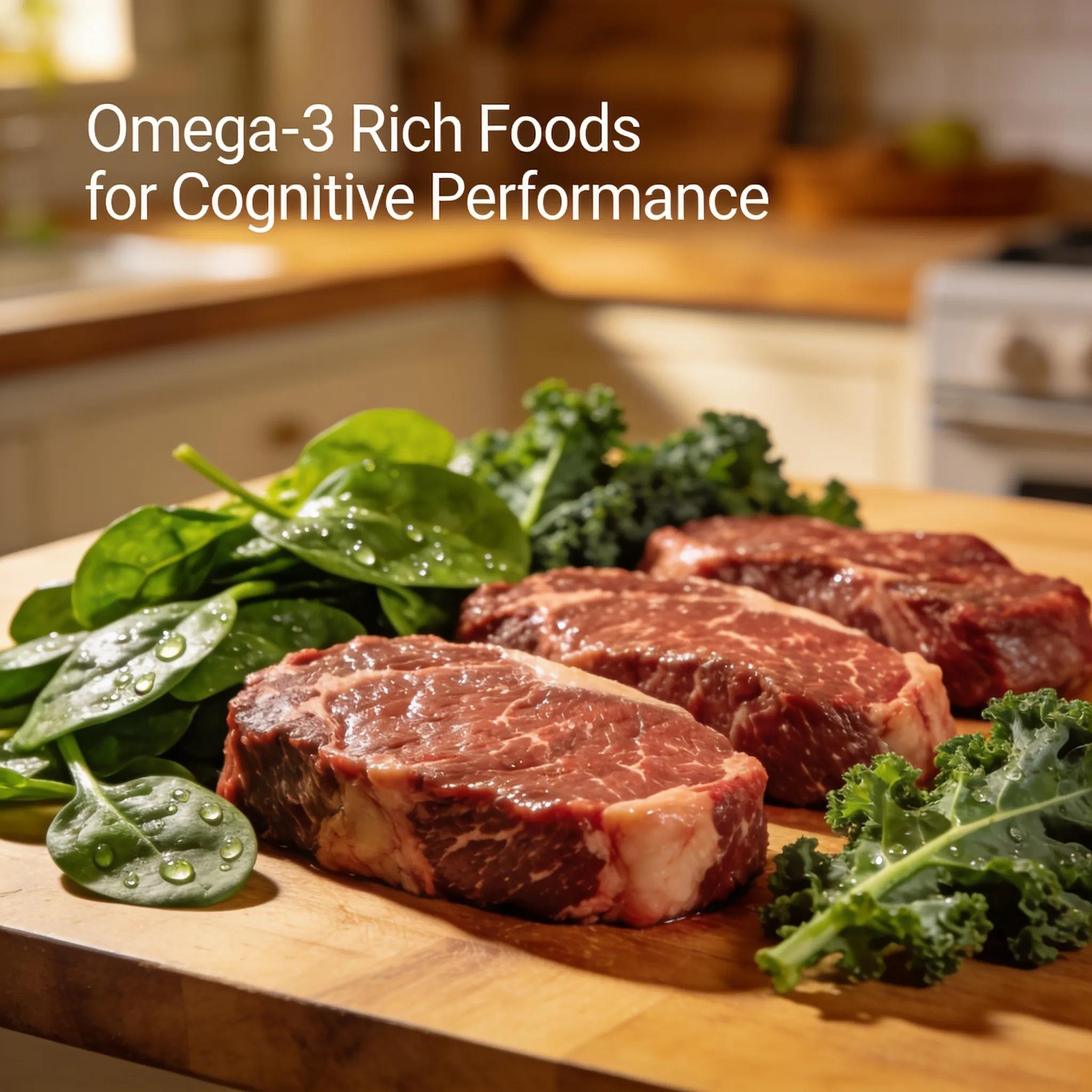
Omega-3 fatty acids, particularly EPA and DHA, are integral to maintaining brain function and health. These fats are known to enhance neural communication and support cognitive development. Studies suggest that a sufficient intake of omega-3s is linked with improved memory and cognitive flexibility, which may be especially beneficial as cognitive demands increase. Furthermore, the anti-inflammatory properties of omega-3s can help protect the brain from age-related decline, making grass-fed beef a valuable addition to diets focused on mental performance.
What Role Do L-Carnitine and Coenzyme Q10 Play in Enhancing Brain Energy?
L-carnitine and coenzyme Q10 are vital nutrients found in grass-fed beef that contribute to brain energy production. L-carnitine is involved in the transportation of fatty acids into the mitochondria, where they are converted into energy. This process is crucial for optimal brain function, particularly in environments requiring high energy output. Coenzyme Q10, on the other hand, is essential for mitochondrial function and is involved in the energy production pathways within brain cells. Together, these nutrients work synergistically to enhance brain energy levels and overall cognitive performance.
How Does Grass-Fed Beef Compare to Grain-Fed Beef in Supporting Mental Clarity?
The debate between grass-fed and grain-fed beef extends beyond flavor and price—it encompasses nutritional value and health benefits, especially regarding cognitive function. Grass-fed beef is often richer in certain nutrients critical for brain support, making it an optimal choice for those focused on enhancing mental clarity.
What Nutritional Differences Affect Cognitive Function Between Grass-Fed and Grain-Fed Beef?
Grass-fed beef typically contains higher levels of omega-3 fatty acids and lower levels of omega-6 fatty acids compared to grain-fed beef. This favorable ratio is significant because excessive omega-6 intake can promote inflammation, while omega-3s can reduce it. Additionally, grass-fed beef often boasts higher concentrations of vitamins A and E, which are antioxidants known to protect brain cells from oxidative stress. These differences underscore the importance of nutrient selection when considering dietary beef choices for cognitive health.
Can Switching to Grass-Fed Beef Improve Focus and Energy Levels?
Many individuals who switch to a diet incorporating grass-fed beef report improved focus and higher energy levels throughout the day. The rich nutrient profile, particularly the availability of omega-3s and B vitamins, may enhance neurotransmitter function and overall brain health. Personal testimonials often cite clearer thinking and sustained mental performance as direct benefits of incorporating grass-fed beef into their diets, reinforcing its role as a powerful cognitive enhancer.
Which Biochemical Pathways Link Grass-Fed Beef Nutrients to Enhanced Brain Metabolism?
Understanding the biochemical pathways through which grass-fed beef nutrients operate provides insight into their cognitive benefits. The nutrients found in grass-fed beef not only support metabolic pathways but also enhance the brain's ability to perform complex tasks.
How Does Iron Bioavailability from Grass-Fed Beef Support Cognitive Performance?
Iron, a crucial mineral found in grass-fed beef, plays a pivotal role in supporting cognitive function. The bioavailability of heme iron, which is more easily absorbed by the body compared to non-heme iron from plant sources, ensures adequate oxygen transport within the bloodstream. Proper iron levels are essential for optimal brain function, reducing the risk of cognitive fatigue and enhancing overall mental clarity.
What Is the Impact of Antioxidants in Grass-Fed Beef on Reducing Cognitive Decline?

Antioxidants, such as vitamin E found in grass-fed beef, are instrumental in combating oxidative stress that can lead to cognitive decline. By reducing free radicals and promoting neuronal health, these antioxidants bolster the brain's defenses, potentially staving off conditions like Alzheimer's and dementia. The connection between diet and neurological health emphasizes the value of incorporating nutrient-rich foods like grass-fed beef for cognitive preservation.
What Are Real-World Experiences and Case Studies on Grass-Fed Beef’s Effect on Cognitive Energy?
Real-world experiences provide valuable insights into the cognitive benefits associated with grass-fed beef. Various studies and testimonials support the idea that these nutritional benefits translate into tangible improvements in mental performance.
Which Case Studies Support Grass-Fed Beef for Improved Mental Focus and Energy?
Numerous case studies have documented the cognitive enhancements experienced by participants who incorporated grass-fed beef into their diets. Research indicates a distinct correlation between the consumption of nutrient-dense beef and improvements in measures of focus and cognitive stamina. These findings align with the growing body of evidence pointing towards the positive effects of high-quality protein sources on mental performance.
How Do Users Report Changes in Mental Clarity After Adding Grass-Fed Beef to Their Diet?
User feedback has highlighted numerous benefits, with many individuals reporting enhanced mental clarity and decreased brain fog after regularly consuming grass-fed beef. These anecdotal accounts reinforce scientific findings and underscore the importance of nutrient quality in dietary choices aimed at promoting cognitive health and vitality.
How Can Consumers Incorporate Grass-Fed Beef into Their Diet to Maximize Cognitive Benefits?
Practical strategies for including grass-fed beef in meals can ensure that individuals reap the cognitive benefits associated with its nutrients. Simple modifications can enhance the overall dietary approach.
What Practical Eating Guides Optimize Beef’s Brain-Boosting Nutrients?
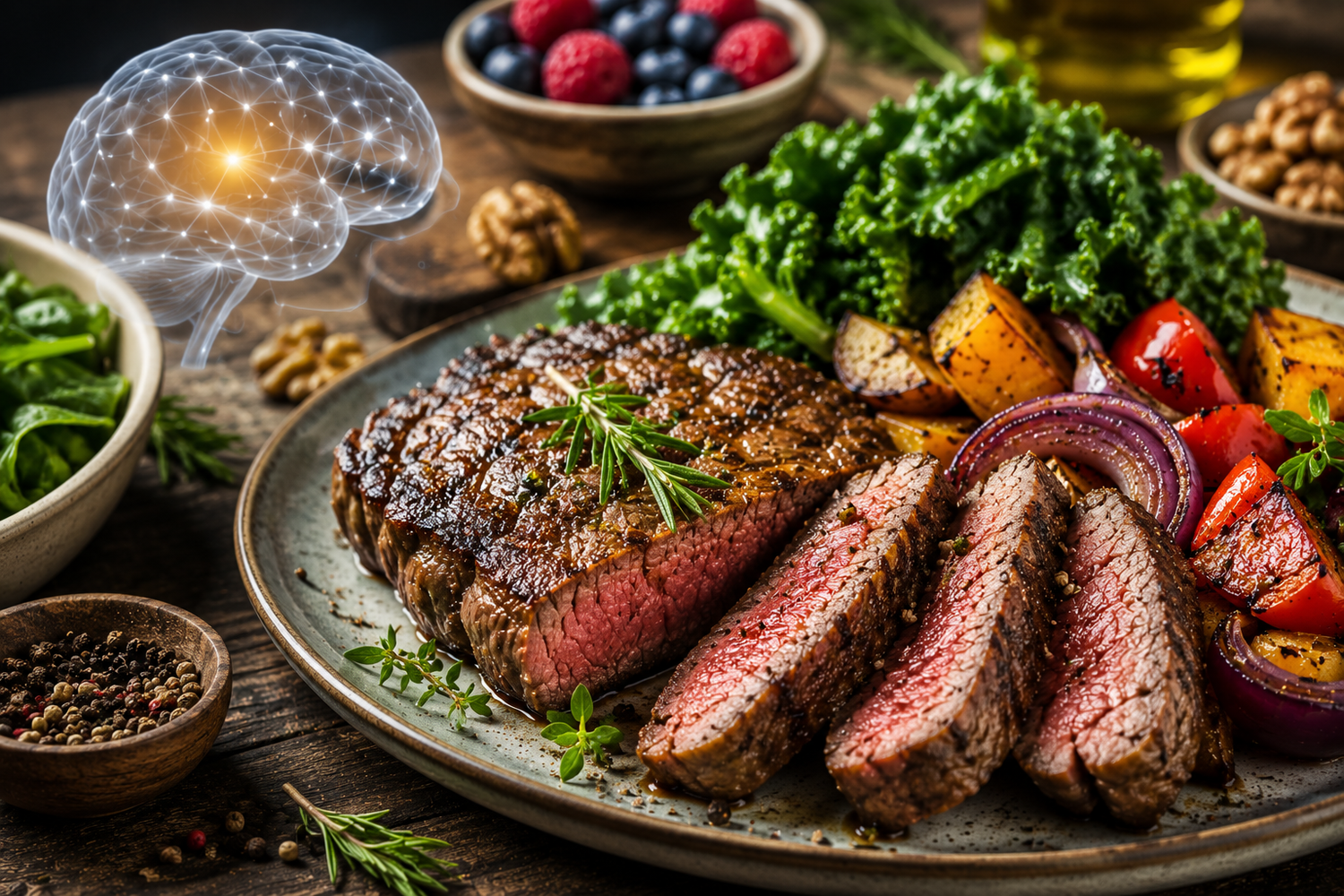
Incorporating grass-fed beef into a balanced diet involves considering how to prepare and serve it optimally. Cooking methods such as grilling or slow-cooking help preserve the nutritional integrity of the meat while ensuring it remains palatable. Pairing it with omega-3-rich foods, like leafy greens or fatty fish, can increase the overall nutrient intake, creating meals that enhance cognitive function.
Are There Specific Preparation Methods That Preserve Grass-Fed Beef’s Cognitive Enhancers?
Preparation techniques that avoid high temperatures, like braising or sous-vide cooking, can help maintain the integrity of the nutrients found in grass-fed beef. Additionally, using marinades that include vinegar or citrus can enhance flavor and supplement antioxidant intake, making meals both delicious and beneficial for brain health.


Leave a comment
This site is protected by hCaptcha and the hCaptcha Privacy Policy and Terms of Service apply.