


How to Prepare and Cook Grass-Fed Beef for Maximum Nutrition
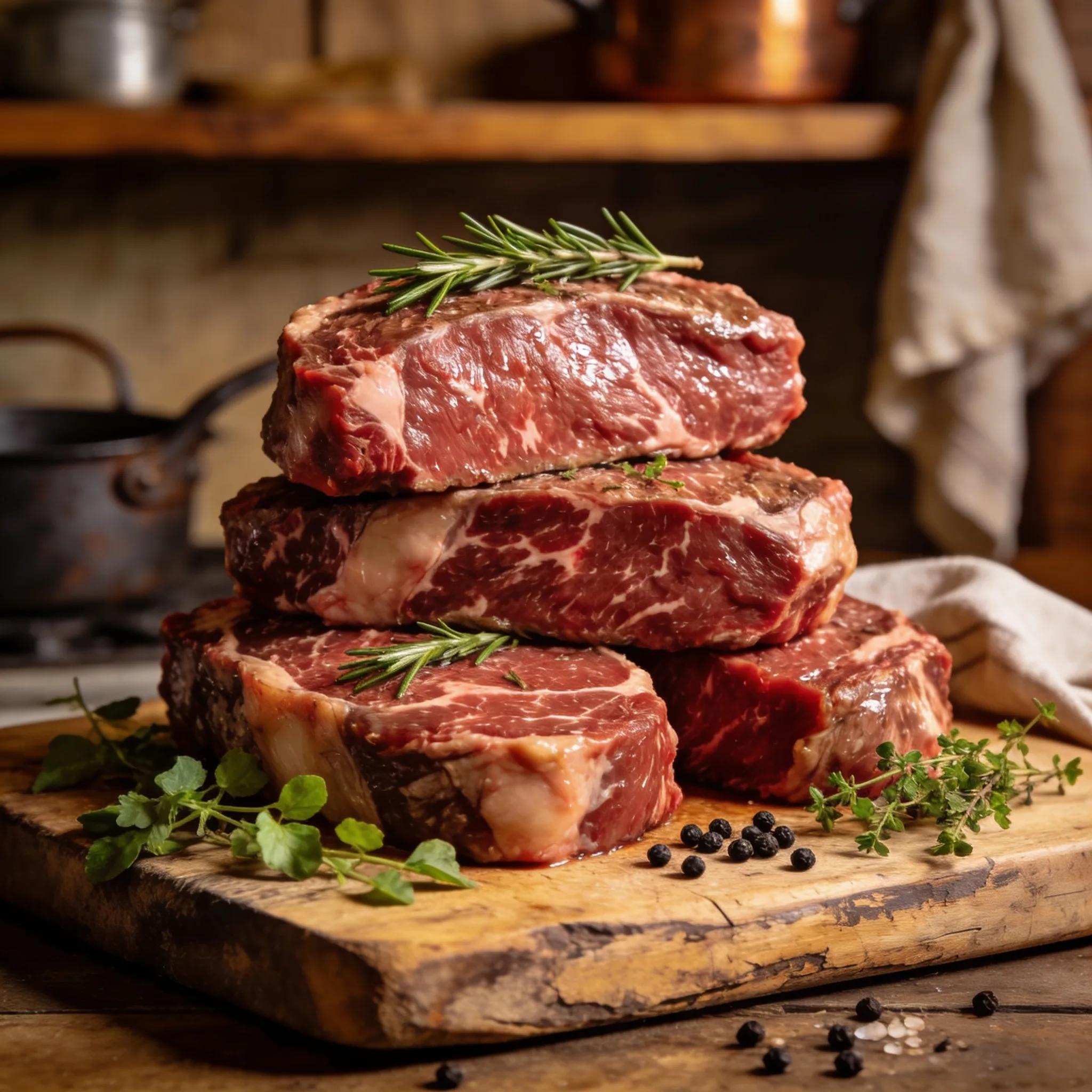
Grass-fed beef has gained real popularity in recent years, and it's not just about flavor — the nutritional case for it is substantial. This guide covers how to prepare and cook grass-fed beef in ways that protect its nutritional value, including the key health benefits, the cooking methods that best preserve nutrients, preparation techniques for different cuts, and practical tips for getting the most out of this nutrient-dense meat.
What Are the Key Nutritional Benefits of Grass-Fed Beef?
Grass-fed beef stands apart from grain-fed beef in a few key ways. It's higher in omega-3 fatty acids, which support heart health and help manage inflammation. It's also a strong source of B12 and vitamin E, along with antioxidants that support overall well-being.
Grass-fed beef contains:
- Higher Omega-3 Fatty Acids: These heart-healthy fats help reduce inflammation and promote cardiovascular health.
- Rich in Vitamins: Vitamins like B12 and E are crucial for maintaining energy levels and protecting cells from damage.
- Contains Antioxidants: Compounds found in grass-fed beef can help prevent oxidative stress and support immune function.
Much of this nutritional edge traces back to diet — cattle grazing on natural grasses develop a healthier fat profile than grain-finished animals, which is reflected directly in the nutrient density of the meat.
It's worth noting that this nutritional advantage isn't fixed — it varies with how the cattle are actually raised. Fully pasture-raised, grass-finished cattle tend to show the biggest nutritional gains, while beef labeled "grass-fed" but grain-finished in the final months before slaughter often falls somewhere in between grass-fed and conventional grain-fed beef. Reading labels carefully and understanding a farm's finishing practices, not just its feeding practices earlier in an animal's life, makes a real difference in the nutritional quality you're actually getting.
For the best results, look for grass-fed beef that's certified organic or sourced from farms that prioritize animal welfare and sustainable, pasture-based practices.
How Do Nutrients in Grass-Fed Beef Support Health Outcomes?
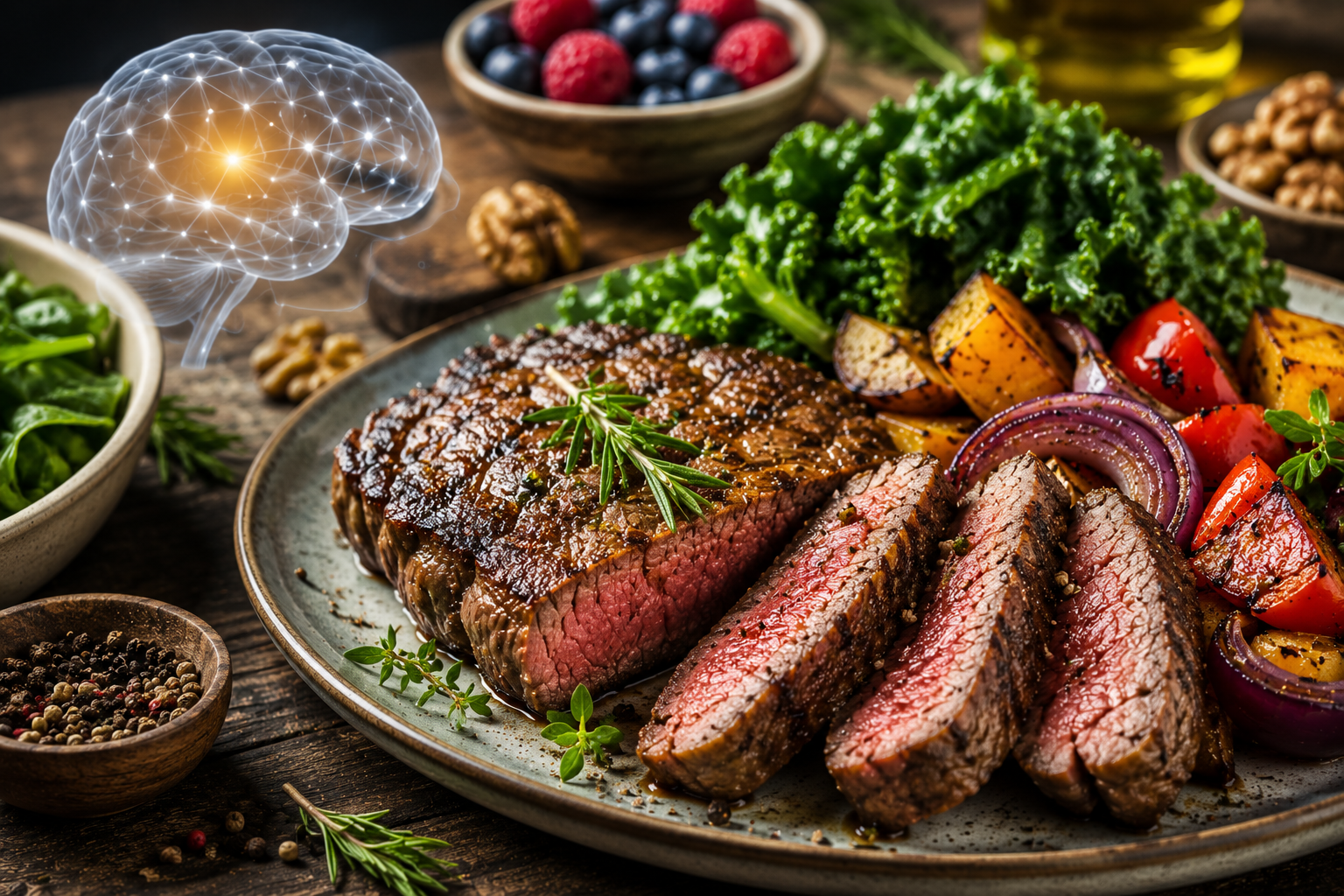
The nutrients in grass-fed beef each play a specific role. Omega-3 fatty acids are linked to lower triglyceride levels and reduced heart disease risk. B12 supports brain health and energy production. Antioxidants help the body defend against everyday cellular damage. Together, these nutrients make grass-fed beef a solid contributor to a long-term, health-focused diet.
Which Cooking Methods Best Preserve Nutrients in Grass-Fed Beef?
How you cook grass-fed beef has a real effect on how many of its nutrients make it to your plate. Gentler methods — low-heat grilling, baking, and especially sous vide — tend to preserve more of the meat's nutritional integrity than high-heat approaches.
Here are some effective cooking strategies:
- Sous Vide: Cooking slowly in a temperature-controlled water bath allows for even cooking with minimal nutrient loss.
- Low-Heat Grilling: Grilling at lower temperatures enhances flavor while helping retain nutrients.
- Baking: Even oven heat without direct flame exposure helps avoid degrading certain nutrients.
What Is the Impact of High-Heat Searing and Sous Vide on Nutrient Retention?
High-heat methods like searing can lead to more nutrient loss due to prolonged exposure to extreme temperatures. Sous vide, by contrast, preserves both moisture and nutrients through consistent, lower-temperature cooking — making it one of the more effective approaches for health-conscious cooking.
| Cooking Method | Nutritional Effect | Impact Level |
|---|---|---|
| Sous Vide | Maintains moisture and nutrients | High |
| High-Heat Searing | Increases flavor but may reduce nutrients | Medium |
| Low-Heat Grilling | Preserves flavor and some nutrients | Medium |
The table above summarizes how these methods compare, with sous vide standing out as the strongest option for nutrient retention.
How Should You Prepare Different Cuts of Grass-Fed Beef for Optimal Nutrition?
Different cuts call for different approaches. Fat content and texture vary widely between steaks, roasts, and ground beef, and matching the cooking method to the cut helps preserve both flavor and nutritional value.
Grass-fed beef also tends to be leaner than grain-fed beef overall, which changes how it behaves in the pan or on the grill. With less intramuscular fat to buffer against heat, it can go from perfectly cooked to overdone more quickly, so keeping a closer eye on both time and temperature pays off. Bringing meat closer to room temperature before cooking, rather than starting from cold straight out of the fridge, also helps it cook more evenly and reduces the risk of an overcooked exterior with an underdone center.
Key preparation tips include:
- Thickness Matters: Thicker cuts generally need longer cooking at lower temperatures for even results.
- Resting Time: Letting meat rest after cooking allows juices to redistribute, improving both flavor and moisture.
- Trimming Fat: Some fat is important for flavor, but trimming excess helps avoid unnecessary calories without added nutritional benefit.
How Does Cut Type Influence Cooking Time and Temperature for Nutrient Safety?
Cooking temperature affects both food safety and nutrition. Beef steaks should reach an internal temperature of at least 145°F, while ground beef needs to reach 160°F to eliminate harmful bacteria. Matching technique to cut helps you hit these targets without overcooking.
- Steaks: Cook to 145°F for medium; a quick sear followed by gentler finishing heat works well.
- Roasts: Slow cooking to around 130–140°F helps preserve moisture throughout the cut.
- Ground Beef: Must reach 160°F for safe consumption.
What Are Practical Cooking Tips to Enhance the Health Benefits of Grass-Fed Beef?
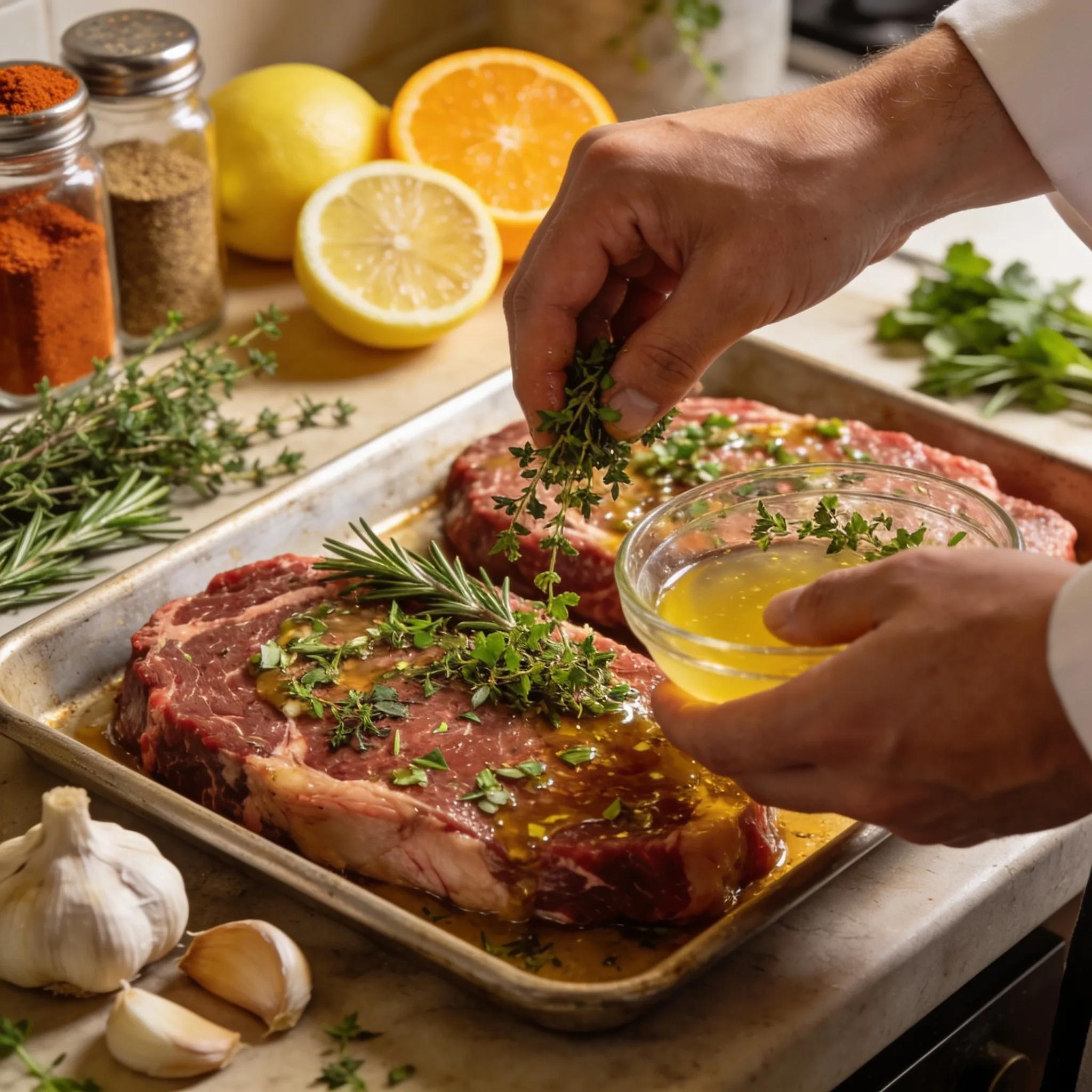
A few simple habits go a long way toward getting the most out of grass-fed beef, both in flavor and nutrition:
- Use Natural Seasonings: Skipping heavily processed seasonings helps preserve the meat's natural flavor and nutritional qualities.
- Marinating: Vinegar- or citrus-based marinades add flavor while helping preserve nutrients.
- Avoid Overcooking: Overcooked beef turns dry and tough and loses more nutrients in the process — aim for just enough heat to reach a safe temperature.
Which Seasoning and Preparation Techniques Support Nutrient Retention?
The right seasonings do more than add flavor. Herbs like rosemary and thyme bring their own antioxidants to the dish, layering additional health benefits on top of the beef itself. Garlic and onion add depth of flavor along with their own nutritional value — fresh herbs, where possible, tend to offer the most benefit.
What Recent Scientific Findings Highlight Optimal Cooking for Grass-Fed Beef Nutrition?
Ongoing research continues to refine our understanding of how cooking affects grass-fed beef's nutritional value, particularly around vitamin retention and nutrient bioavailability.
Among the notable findings:
- The nutrient composition of grass-fed beef varies with the cattle's specific diet, affecting omega-3 levels and vitamin content.
- Emerging research points to slow cooking methods as a promising way to preserve more nutrients, though this remains an active area of study.
What Emerging Nutrients Are Being Recognized in Grass-Fed Beef?
Research continues to identify additional beneficial compounds in grass-fed beef, including conjugated linoleic acid (CLA) and various phytochemicals linked to cardiovascular health. These findings add to the case for grass-fed beef as part of a balanced diet, alongside its more established nutrients.
How Can Consumers Identify and Verify Quality Grass-Fed Beef for Health Maximization?
Spotting high-quality grass-fed beef comes down to a few practical checks. Look for certifications or labels that confirm grass-fed status and align with your dietary standards.
Some practical tips for consumers include:
- Look for Labels: Choose products that are certified Grass-Fed or Organic.
- Understand Sourcing: Research the brand's sourcing practices to confirm cattle were raised on pasture.
- Check Fat Content: High-quality grass-fed beef typically shows a visible fat cap, a good sign of overall nutritional quality.
How Does Pasture-Raised Cattle Origin Affect Nutrient Profiles?
Where and how cattle are raised has a direct effect on the meat's nutritional profile. Cattle grazing on well-managed pastures eat a more balanced natural diet, which translates to beef richer in omega-3s and vitamins compared to animals raised in lower-quality conditions.
Pasture management itself plays a bigger role in this than many shoppers realize. Cattle rotated across diverse, well-maintained pastureland encounter a wider range of forage — different grasses, legumes, and other plants — throughout the year, and that dietary variety shows up in the nutrient density of the beef. Farms practicing rotational grazing, where cattle are regularly moved to fresh pasture, tend to produce more consistently nutrient-rich beef than operations relying on a single depleted field, since rotational grazing keeps the land healthier and the forage more varied over time.
For anyone prioritizing nutrition, it's worth seeking out sources that are transparent about their farming practices — this supports both better nutrition and more sustainable agriculture.


Leave a comment
This site is protected by hCaptcha and the hCaptcha Privacy Policy and Terms of Service apply.