







7-Day Ancestral Nutrition Meal Plan Featuring Grass-Fed Beef and Organ Meats: Comprehensive Guide for Nutrient-Dense Paleo Meals
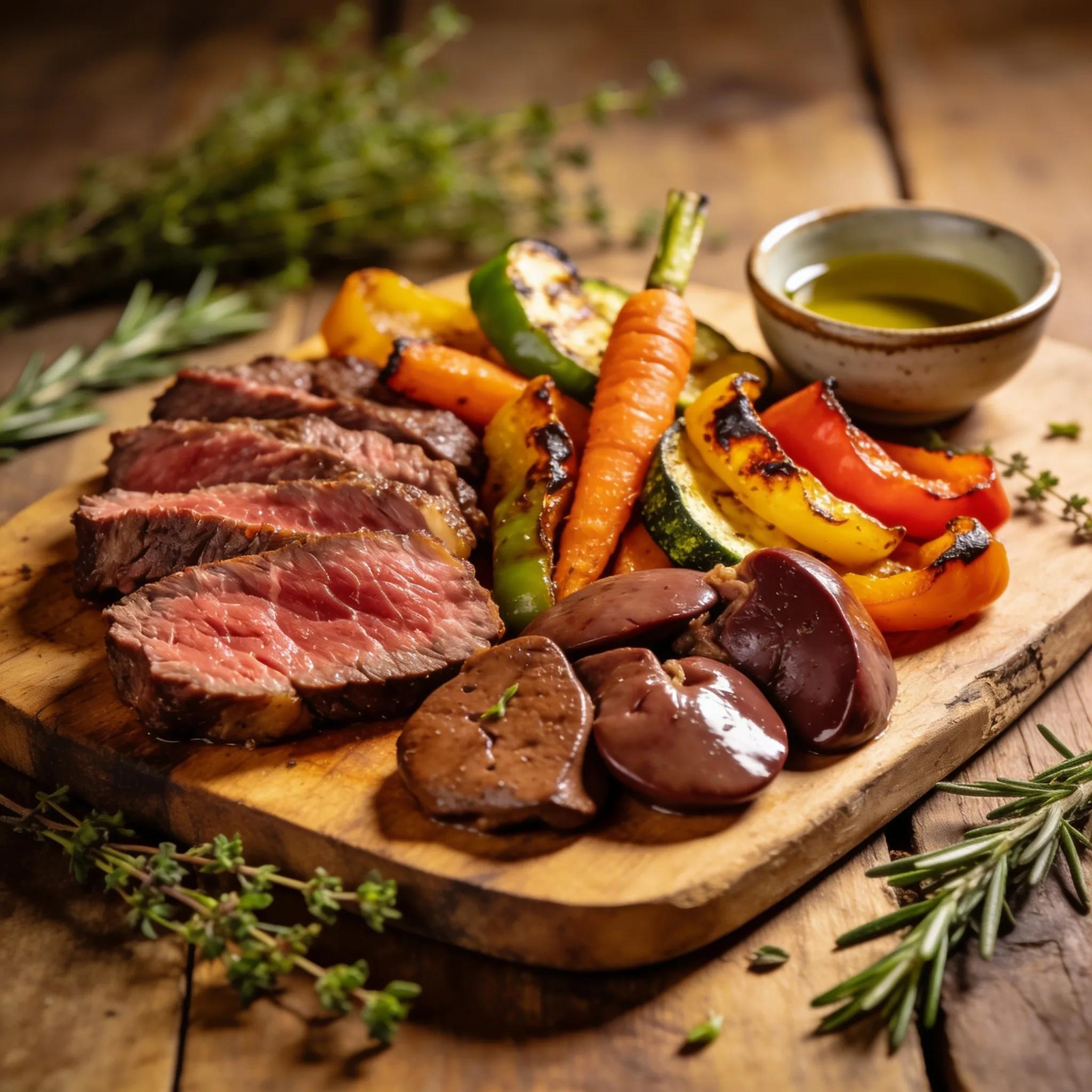
Ancestral nutrition looks back at the dietary patterns of our ancestors, favoring whole, unprocessed foods that are nutrient-rich and biologically appropriate for human consumption. This 7-day meal plan is built to help readers transition toward a more nutrient-dense way of eating, centered on grass-fed beef and organ meats. Along the way, we'll cover the core principles of ancestral nutrition, the benefits of grass-fed beef and organ meats, practical meal-prep strategies, and cooking techniques that help preserve the nutritional integrity of these foods — including organ meats, which are often overlooked despite their exceptional nutrient density.
What Are the Core Principles of Ancestral Nutrition?
Ancestral nutrition centers on a few key ideas: prioritizing whole, unprocessed foods in their natural state, sourcing high-quality proteins and fats, and favoring seasonal, local produce. Rather than relying on refined ingredients, this approach emphasizes foods that are biologically appropriate and nutrient-dense — the foundation for the rest of this meal plan.
Why Are Organ Meats Essential for Nutrient Density?
Organ meats are sometimes called nature's multivitamins, and for good reason. Liver, heart, and kidney are dense sources of vitamins A, D, E, K, and B12, along with minerals like iron, zinc, and selenium, plus fatty acids that support a range of bodily functions. Many traditional cultures prized organ meats specifically for these qualities — a practice that ancestral nutrition draws directly from.
What makes organ meats stand out isn't just the presence of these nutrients but their concentration. Ounce for ounce, liver contains far more vitamin A and B12 than muscle cuts of beef, while heart is one of the richest natural sources of coenzyme Q10. Kidney brings its own mix of selenium and B vitamins to the table. For anyone building a nutrient-dense diet around whole foods, this is exactly the kind of density that ancestral nutrition tries to recover — nutrients that got largely left behind as diets shifted toward muscle meat and processed foods.
What Nutritional Benefits Do Grass-Fed Beef and Organ Meats Provide?
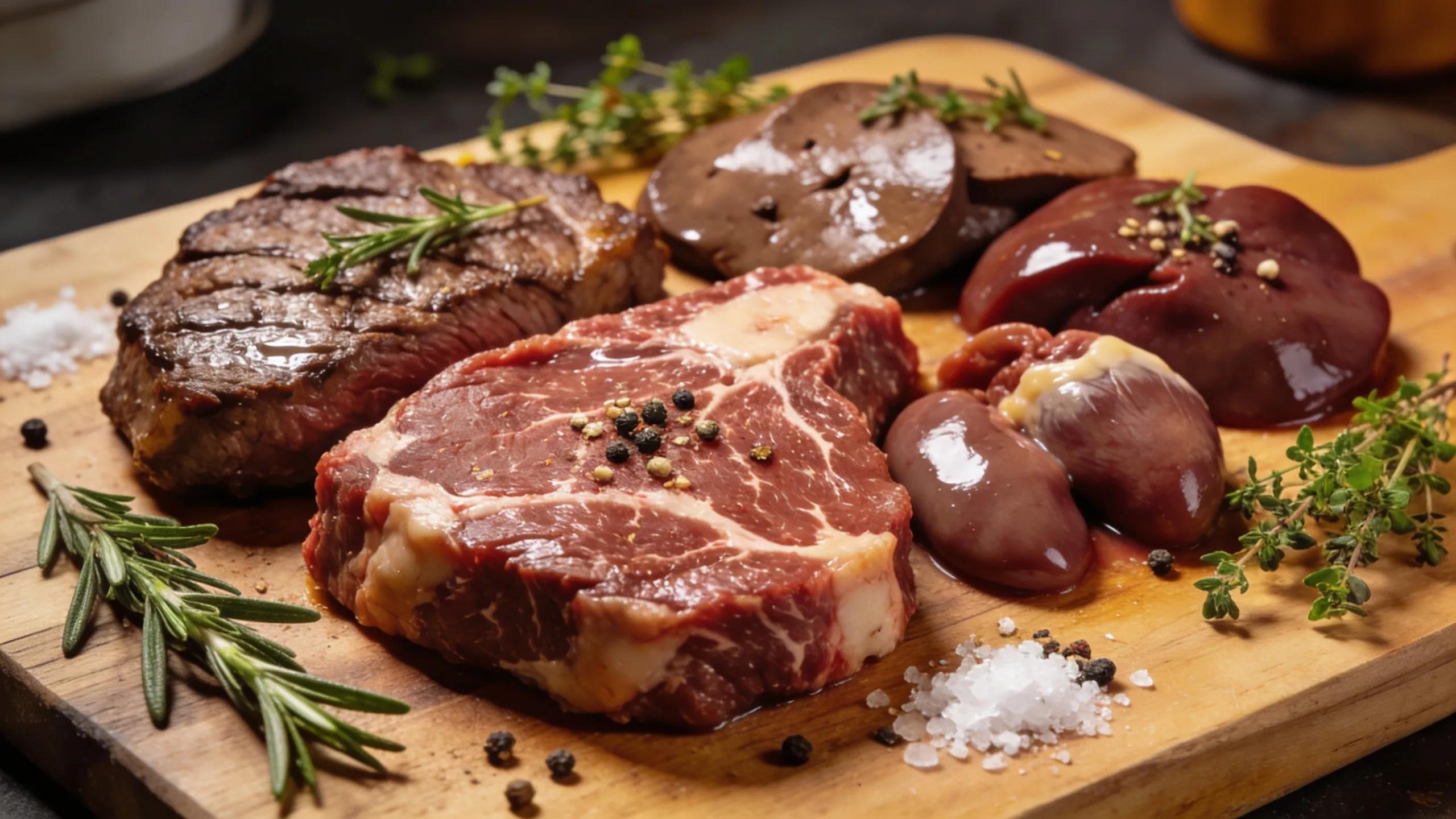
Grass-fed beef and organ meats bring complementary nutritional strengths to the table. Thanks to the animal's natural forage diet, grass-fed beef runs higher in omega-3 fatty acids, conjugated linoleic acid (CLA), and vitamins A and E than conventional grain-fed beef. Organ meats take this further, packing an even more concentrated dose of vitamins, minerals, and essential amino acids into every serving.
| Nutrient | Grass-Fed Beef | Organ Meats |
|---|---|---|
| Omega-3 Fatty Acids | Higher | Moderate |
| Vitamin A | Present | Very High |
| Iron | Moderate | Very High |
| Zinc | Moderate | Very High |
Side by side, these profiles show how pairing grass-fed beef with organ meats can round out a nutrient-dense diet in ways that either food alone wouldn't achieve.
How Do Omega-3 and Antioxidant Levels Differ in Grass-Fed Beef?
Grass-fed beef's omega-3 advantage over grain-fed beef comes directly from what the animal eats. Omega-3 intake is associated with reduced inflammation and better cardiovascular health, and the antioxidants naturally present in grass-fed beef add another layer of protection against oxidative stress — both factors that make it a stronger nutritional choice for anyone looking to improve overall dietary quality.
How Is the 7-Day Meal Plan Structured to Optimize Nutrient Intake?
The 7-day plan is organized to deliver a diverse nutrient intake without sacrificing flavor or ease of preparation. Each day includes breakfast, lunch, dinner, and snacks built around a balance of proteins, healthy fats, and carbohydrates, with portion sizes that can be adjusted to individual needs.
Variety matters as much as nutrient density here. Rotating between different cuts of grass-fed beef and different organ meats across the week — say, liver early on when energy for prep is high, and heart or kidney in slow-cooked dishes later in the week — helps avoid the monotony that often derails ancestral eating plans before they take hold. Pairing these proteins with seasonal vegetables and healthy fats like tallow, ghee, or olive oil rounds out each meal, ensuring the plan delivers on both nutrition and satisfaction rather than feeling like a restrictive regimen.
How Does the Plan Facilitate Practical Meal Preparation and Shopping?
To make the plan realistic for everyday life, it comes with shopping lists and meal-prep strategies designed to streamline the process. Batch cooking and freezing meals ahead of time are especially useful here, keeping nutritious options on hand throughout the week without daily from-scratch cooking.
What Cooking Techniques Best Preserve Nutrients in Grass-Fed Beef and Organ Meats?
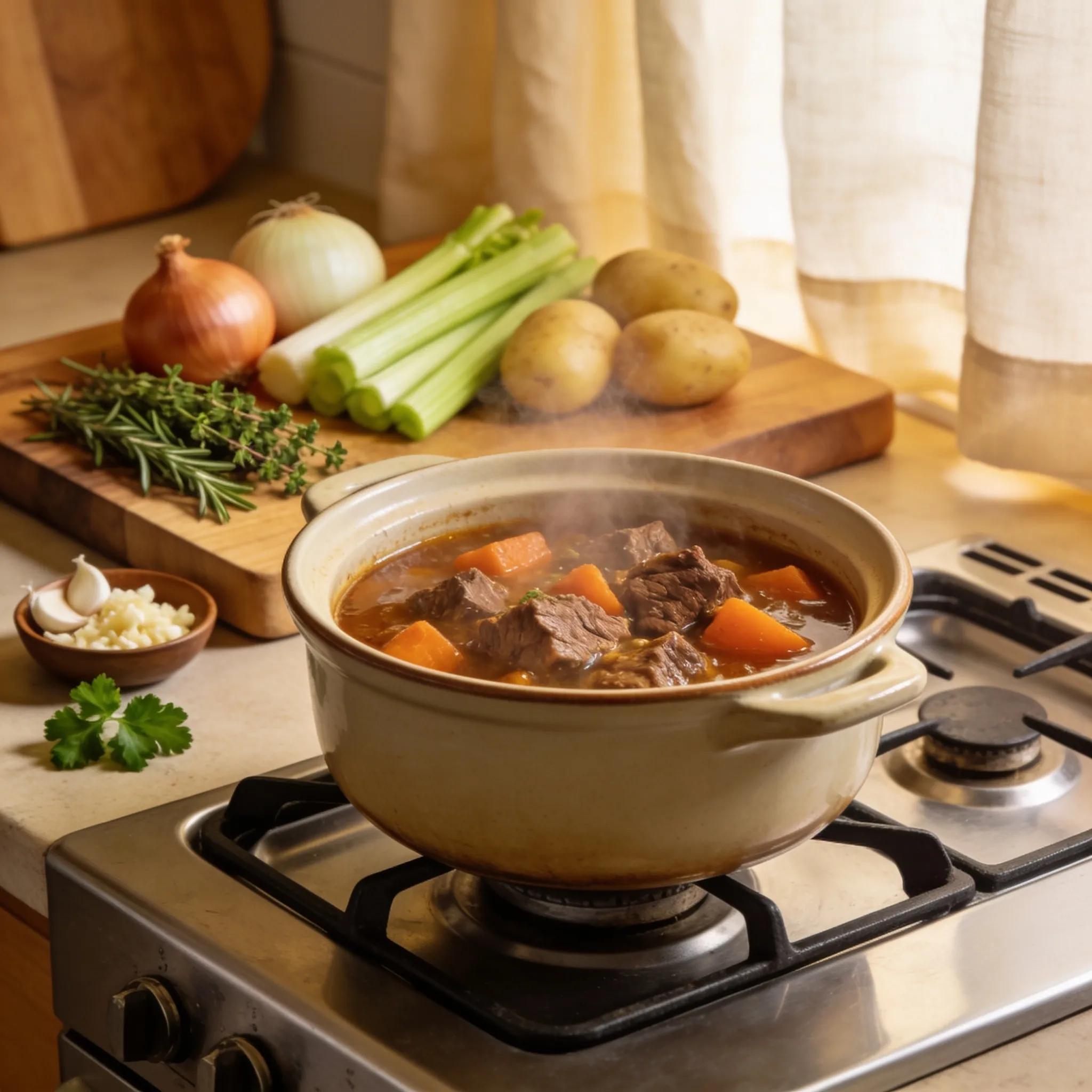
How you cook grass-fed beef and organ meats matters almost as much as sourcing them well. Gentler methods — slow cooking, sous vide, steaming, or sautéing at lower temperatures — help retain more of the nutrients these foods carry, while still delivering on flavor.
Which Cooking Methods Enhance Grass-Fed Beef Flavor and Health Benefits?
Marinating before grilling or roasting brings out the flavor of grass-fed beef and lets its fat render properly. For leaner cuts, slow-cooked stews and braises are a reliable way to build tenderness while infusing the meat with herbs and spices that add their own nutritional and flavor benefits.
What Are Common Questions About Integrating Organ Meats and Grass-Fed Beef in Paleo Meal Plans?
Adding organ meats and grass-fed beef to a regular diet often raises practical questions — how to prepare them, how to keep things safe, and how to work with flavors and textures that can feel unfamiliar at first. Starting small and building up gradually tends to work better than diving in all at once.
What Are the Potential Health Risks and How to Mitigate Them?
Organ meats are nutrient-dense, but that cuts both ways — liver in particular is so concentrated in vitamin A that eating it in excess can lead to toxicity, so moderation matters. Sourcing organ meats from reputable suppliers also helps minimize other health risks. As with any significant dietary change, it's worth talking to a healthcare professional first, especially if you have an existing health condition or take medication.
In practice, moderation usually means treating liver as an occasional feature of the week — a few ounces once or twice — rather than a daily staple, since it's easy to underestimate just how concentrated its nutrient load really is. Heart and kidney carry a gentler nutritional profile in comparison and can be worked in more regularly. Texture and flavor are also worth planning around: liver in particular has a strong taste that can be off-putting at first, so many people find it easier to start with it finely chopped into ground beef dishes like meatballs or a bolognese-style sauce, where the flavor is less pronounced but the nutrients remain intact.
How To Monitor and Adapt the Ancestral 7-Day Meal Plan for Continued Health Benefits?
Tracking how your body responds to a new way of eating is a useful habit for the long run — energy levels, digestion, and general well-being are all worth paying attention to day to day. The plan is meant to be a flexible starting point, not a fixed rulebook, so adjusting it to fit personal preferences and needs is part of making it sustainable.
How To Incorporate Emerging Research on Ancestral Nutrition Into Your Meal Planning?
Nutrition science is an evolving field, and staying loosely informed about new research can help refine a meal plan over time. Following developments around specific nutrients is a useful way to keep the plan grounded in current evidence while still following ancestral principles.


Leave a comment
This site is protected by hCaptcha and the hCaptcha Privacy Policy and Terms of Service apply.