






The Nutritional Advantages of Grass-Fed Beef: Comprehensive Insights for Informed Health Choices

Grass-fed beef has drawn growing interest for its nutritional differences from grain-fed alternatives. Because cattle raised on pasture eat a different diet than feedlot-finished animals, the resulting meat carries a distinct profile of fatty acids, vitamins, and minerals. This article looks at what sets grass-fed beef apart nutritionally, how those differences relate to inflammation and cardiovascular health, and what the current research does and doesn't support — along with practical guidance for working grass-fed beef into a balanced diet.
What Are the Key Nutritional Components of Grass-Fed Beef?
Grass-fed beef tends to contain higher levels of several beneficial nutrients compared to conventional grain-fed beef. Most notably, it carries more omega-3 fatty acids, which support cardiovascular health. It's also typically richer in vitamin B12, vitamin E, and minerals like iron and zinc — nutrients that matter for energy metabolism, antioxidant defense, and immune function. Together, these differences are a large part of why grass-fed beef is often positioned as the more nutrient-dense choice.
How Does Grass-Fed Beef's Fatty Acid Profile Differ from Grain-Fed Beef?
The clearest nutritional distinction is in fat composition. Grass-fed beef carries a higher share of omega-3 fatty acids, which are associated with reduced inflammation and better heart health outcomes. Grain-fed beef, by contrast, tends to skew toward omega-6 fatty acids — and an excess of omega-6 relative to omega-3 is linked to increased inflammatory activity in the body. For anyone paying attention to the quality (not just quantity) of dietary fat, this is one of the more meaningful differences between the two.
Which Vitamins and Minerals Are Enhanced in Grass-Fed Beef?
Vitamin E is one of the standout differences — grass-fed beef contains meaningfully more of this antioxidant, which supports immune function and skin health. It also tends to be richer in B vitamins, particularly B12, which is essential for energy metabolism and nervous system function. Combined with its higher antioxidant and mineral content, this nutrient profile is a core reason grass-fed beef is often recommended as part of a nutrient-dense diet.
How Do Omega-3 Fatty Acids in Grass-Fed Beef Benefit Cardiovascular and Anti-Inflammatory Health?
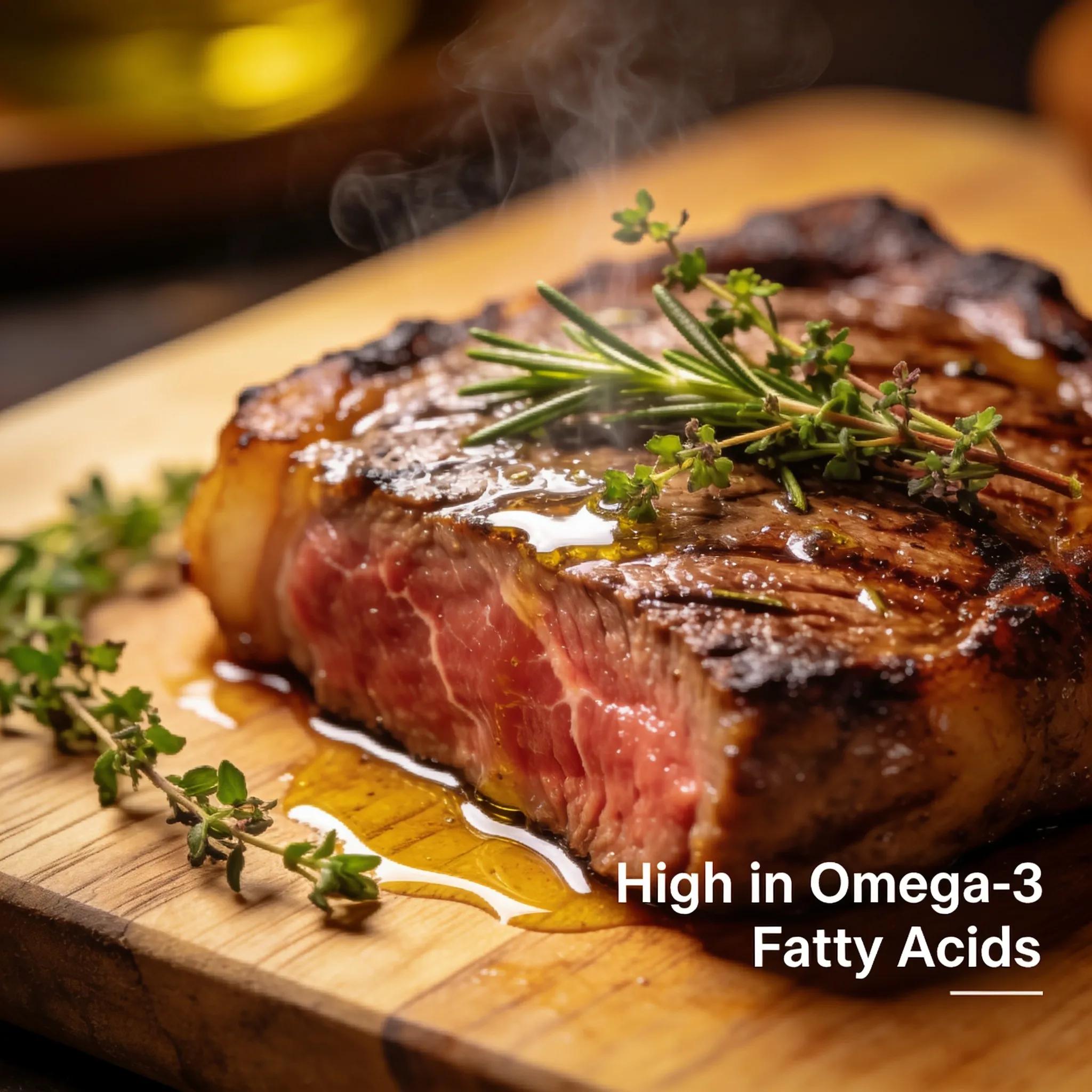
Omega-3 fatty acids are one of the more studied components of grass-fed beef's nutritional profile. They're associated with lower triglyceride levels and a reduced risk of heart disease, and they play a role in moderating the body's inflammatory response. Diets that include regular sources of omega-3s — grass-fed beef among them — are generally associated with better cardiovascular markers over time.
What Is the Significance of the Omega-3 to Omega-6 Ratio in Grass-Fed Beef?
The ratio between omega-3 and omega-6 fatty acids matters as much as the absolute amounts. Modern diets, heavy in grain-fed meat and processed foods, tend to run high in omega-6 relative to omega-3 — a balance that's been linked to elevated inflammation. Grass-fed beef offers a more favorable ratio, which is one reason it's often recommended to people looking to shift their overall fat intake toward a more anti-inflammatory pattern.
Can Grass-Fed Beef's Conjugated Linoleic Acid Provide Anti-Cancer Effects?
Conjugated linoleic acid (CLA) is another compound found at higher levels in grass-fed beef, and it's attracted research interest for its potential effects on cancer cell growth. Early, mostly lab-based studies suggest CLA may help inhibit the growth of certain cancer cells and promote apoptosis (programmed cell death) in some tumor types. This research is still preliminary and hasn't been established in human clinical trials, so it's best understood as an area of ongoing interest rather than a proven health outcome — but it adds another dimension to grass-fed beef's nutritional case.
What Advantages Does Grass-Fed Beef Offer in Protein Quality Compared to Conventional Meat?
Beyond its fat and micronutrient profile, grass-fed beef holds up well on protein quality. It provides a full complement of essential amino acids needed for muscle repair and growth, and — like beef generally — offers highly bioavailable protein. This makes it a solid choice for anyone prioritizing muscle maintenance or metabolic health through diet.
How Does Grass-Fed Beef Support Muscle Health and Metabolism?
The complete amino acid profile in grass-fed beef, including leucine, supports muscle protein synthesis — the process by which the body repairs and builds muscle tissue. This is particularly relevant for athletes or anyone engaged in regular strength training, where adequate high-quality protein intake directly affects recovery and muscle maintenance.
Are There Differences in Amino Acid Profiles Between Grass-Fed and Grain-Fed Beef?
Yes — grass-fed beef generally carries somewhat higher concentrations of certain essential amino acids important for muscle growth and repair. While both types of beef are complete protein sources, this modest edge is one more factor that tips the scale toward grass-fed beef for those optimizing protein intake for fitness or health goals.
How Does Grass-Fed Beef Nutrition Influence Overall Health Outcomes?
Taken together, the nutritional profile of grass-fed beef — its fatty acids, vitamins, minerals, and protein quality — points toward meaningful support for cardiovascular health and general wellness when it's part of a varied, balanced diet. No single food is a complete solution on its own, but grass-fed beef's nutrient density makes it a strong building block for a nutrition-focused approach to health.
What Role Do Antioxidants in Grass-Fed Beef Play in Reducing Oxidative Stress?
Antioxidants like vitamin E and beta-carotene, both found at higher levels in grass-fed beef, help neutralize free radicals in the body. Oxidative stress from free radical accumulation is associated with a range of chronic conditions, including heart disease, so foods that support the body's antioxidant defenses — grass-fed beef among them — can be a useful part of a broader protective approach to diet.
Can Consuming Grass-Fed Beef Improve Cardiovascular and Anti-Inflammatory Markers?
Research suggests that regular consumption of grass-fed beef is associated with improvements in cardiovascular and inflammatory markers, largely driven by its more favorable fatty acid composition. While it's not a substitute for medical care, incorporating nutrient-dense, omega-3-rich foods like grass-fed beef is a reasonable component of a heart-conscious diet.
How Does Grass-Fed Beef Compare Environmentally and Nutritionally to Grain-Fed Beef?
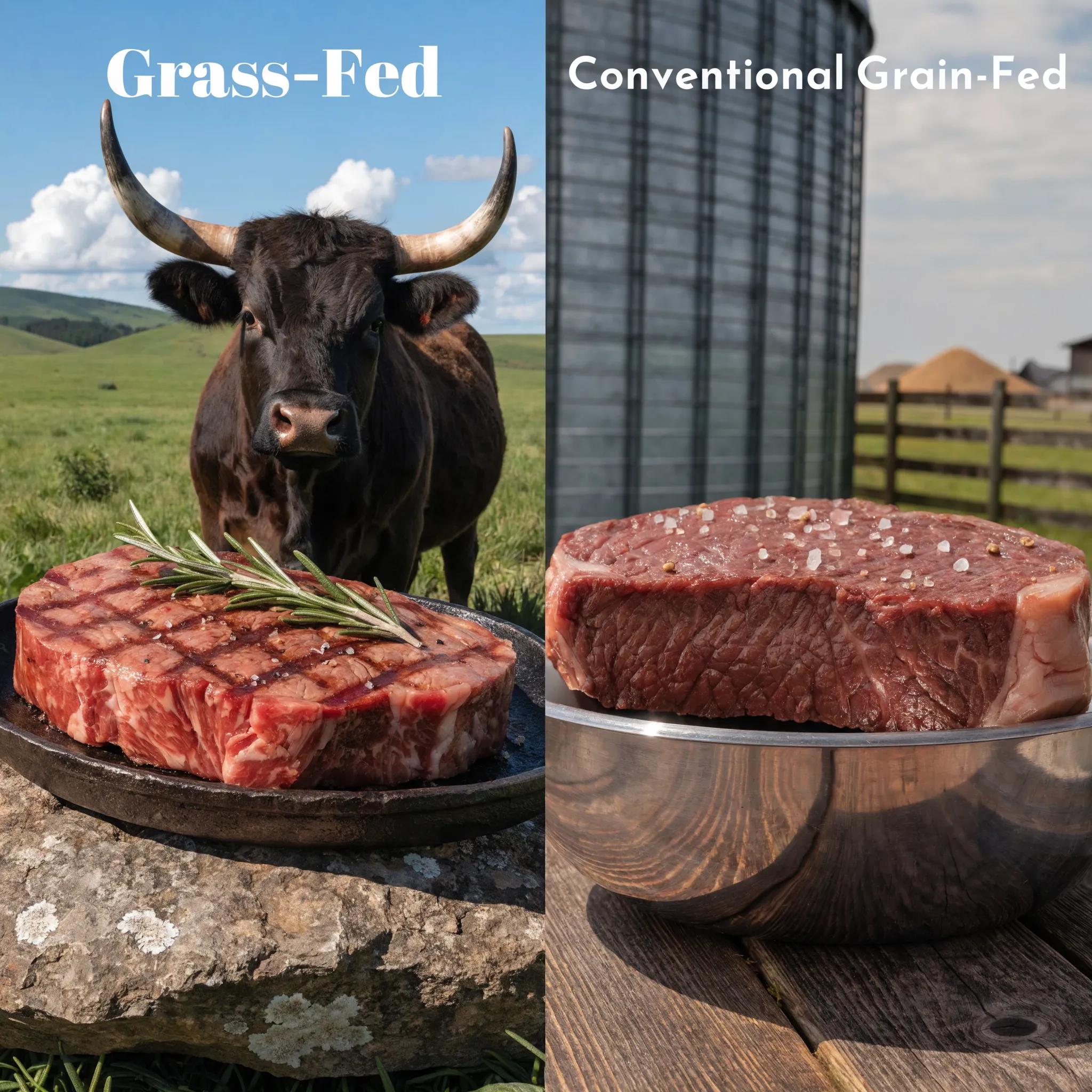
The differences between grass-fed and grain-fed beef go beyond the nutrition label. Grass-fed production methods are generally more aligned with regenerative and sustainable land practices, making the choice relevant for consumers weighing environmental impact alongside nutritional value.
What Are the Nutritional Implications of Pasture-Raised Definitions in Grass-Fed Beef?
"Pasture-raised" typically describes cattle that graze freely on varied forage rather than being finished on a grain-based feedlot diet. This more natural, varied diet is a key driver behind the improved nutrient density of the resulting beef. Understanding what these labels actually mean helps consumers align their purchasing decisions with both their health priorities and their values around how food is produced.
How Do Environmental Practices Affect Nutrient Profiles in Grass-Fed Beef?
The nutrient composition of grass-fed beef isn't fixed — it's shaped by factors like pasture quality, forage diversity, and cattle breed. Farms that prioritize healthy, biodiverse pastures and sound regenerative practices tend to produce beef with a stronger nutritional profile, which is part of why sourcing and farming method matter as much as the "grass-fed" label itself.
What Are the Latest Scientific Insights and Recommendations for Consuming Grass-Fed Beef?
Research into grass-fed beef's health effects continues to develop, with a growing body of evidence pointing toward benefits for cardiovascular health and inflammation markers. As with any area of nutrition science, the picture continues to be refined — but the existing evidence supports grass-fed beef as a sound addition to a nutrient-dense, whole-foods diet.
Which Recent Peer-Reviewed Studies Support Grass-Fed Beef's Nutritional Claims?
A number of peer-reviewed studies have found associations between grass-fed beef consumption and improved inflammatory markers and cholesterol profiles. These findings support the case for including grass-fed beef in a nutritionally focused diet, though as with most nutrition research, individual results can vary and more studies help build a fuller picture over time.
How Should Consumers Integrate Grass-Fed Beef Into a Healthy Diet?
Making the most of grass-fed beef's nutritional advantages comes down to a few practical habits: choosing well-sourced cuts, pairing them with vegetables and whole grains for a balanced plate, and being mindful of portion sizes and cooking methods that preserve the meat's nutritional quality. With these basics in place, grass-fed beef can be a solid, nutrient-dense anchor for a health-focused diet.


Leave a comment
This site is protected by hCaptcha and the hCaptcha Privacy Policy and Terms of Service apply.