















The Benefits of Eating Organ Meats: Comprehensive Nutrition Facts and Health Insights

Organ meats — often called "offal" — have fed people for thousands of years, long before muscle cuts became the default at the dinner table. Liver, kidney, and heart pack more vitamins, minerals, and amino acids per bite than almost any other food, which is exactly why so many traditional diets built entire cuisines around them. This article breaks down what makes organ meats so nutrient-dense, the health benefits behind that density, and how the "nose to tail" philosophy turns them into one of the most sustainable choices on your plate. If you've ever felt torn between eating well and wasting less, organ meats solve both problems at once — they stretch an animal's nutritional value further while cutting down on food waste. Below, we cover the key nutrients in organ meats, their health benefits, safe cooking methods, and the questions people ask most.
What Key Nutrients Do Organ Meats Provide for Optimal Health?
Organ meats are some of the most nutrient-dense foods you can eat, delivering far more vitamins and minerals per serving than a typical cut of muscle meat. They're especially rich in iron, vitamin A, and the full spectrum of B vitamins — nutrients that support everything from red blood cell production to nervous system function. That's a big part of why organ meats keep coming up as a smart way to close common dietary gaps. Below, we look at the nutrient profiles of the three most commonly eaten organ meats: liver, kidney, and heart.
Which Vitamins and Minerals Are Most Abundant in Liver, Kidney, and Heart?
Each organ meat brings its own nutritional strengths to the table. The table below breaks down what liver, kidney, and heart each offer, and how those nutrients support your health:
| Organ Meat | Key Nutrients | Health Benefits |
|---|---|---|
| Liver | Vitamin A, B12, Iron | Supports vision, energy metabolism, and red blood cell formation |
| Kidney | B Vitamins, Selenium | Enhances metabolism and protects against oxidative stress |
| Heart | Coenzyme Q10, Iron | Boosts cardiac health and energy production |
Side by side, it's easy to see why organ meats keep coming up in conversations about nutrient-dense eating — each one covers ground that standard cuts of meat simply don't. Liver leans hardest into vitamin A and B12, kidney brings a strong selenium contribution most diets are short on, and heart offers a concentrated dose of CoQ10 that's genuinely hard to find elsewhere in the diet. Eating a rotation of all three, rather than leaning on just one, is the most direct way to cover this ground.
How Does Coenzyme Q10 and Iron from Organ Meats Support Energy and Immunity?
Two standout compounds in organ meats — Coenzyme Q10 (CoQ10) and iron — do a lot of heavy lifting for your energy levels and immune defenses. CoQ10 works as an antioxidant inside your cells, helping power the process that generates cellular energy, which is why it's so closely tied to reducing fatigue. Iron, meanwhile, is a building block of hemoglobin, the protein that carries oxygen through your bloodstream to every organ and muscle. Without enough of it, both energy and immune response start to suffer. Adding organ meats to your diet is one of the most direct ways to keep both of these nutrients topped up — and because the iron in organ meats is heme iron, the body absorbs it considerably more efficiently than the non-heme iron found in plant sources like spinach or lentils.
What Are the Health Benefits Linked to Eating Liver and Other Organ Meats?
The value of organ meats goes well beyond any single nutrient — their nutrient density touches nearly every system in the body. Below, we look at two areas most closely tied to that density: immune support and cognitive/metabolic health.
How Does Organ Meat Consumption Support Immune System Function?

Few foods support the immune system as directly as organ meats do. Their high concentrations of vitamin A and zinc feed directly into the development and function of immune cells — the body's first line of defense against infection. Vitamin A and zinc are well-established as important nutrients for immune function, and organ meats are one of the most concentrated natural sources of both. For anyone looking to build a more resilient diet, organ meats are one of the most efficient foods to reach for.
What Role Do Organ Meats Play in Supporting Cognitive and Metabolic Health?
Organ meats also do quiet, important work for your brain and metabolism. Vitamin B12 and essential fatty acids — both abundant in organ meats — are important for healthy brain function and long-term cognitive performance. On top of that, their high Coenzyme Q10 content helps cells produce energy more efficiently, which can translate into less fatigue and better focus throughout the day. In short, the benefits of eating organ meats aren't limited to physical health — they extend to how well your mind functions, too.
How Does the Nose to Tail Eating Philosophy Enhance Sustainability and Nutrition?
The nose to tail eating philosophy is built on a simple idea: use the whole animal, waste nothing. By making the most of every part — not just the prime cuts — this approach connects eating directly to ethical farming and sustainability, showing that even the parts of the animal we often overlook can be some of the most nutritious. Here's a closer look at what that means in practice, and why it matters.
What Is Nose to Tail Eating and How Does It Promote Responsible Meat Consumption?
Nose to tail eating means exactly what it sounds like: using every part of the animal, not just the muscle cuts most people default to. It's a centuries-old practice that's seeing a modern resurgence for good reason — it cuts down on waste and builds a more respectful relationship with the food we eat. Historically, this wasn't a lifestyle choice so much as a practical necessity: when an animal was raised and slaughtered at real cost and effort, letting any part of it go unused simply wasn't an option. Modern nose-to-tail eating brings that same ethic back deliberately, pairing organ meats with traditional cuts to open up a wider range of flavors and textures in the kitchen, all while supporting a more sustainable food system from farm to plate.
What Nutritional Advantages Does the Nose to Tail Diet Offer Compared to Standard Meat Consumption?
Eating nose to tail doesn't just reduce waste — it meaningfully upgrades your nutrient intake. Because organ meats deliver far higher levels of vitamin A, iron, and other essential compounds than standard muscle cuts, working them into your diet means capturing nutrition that would otherwise go to waste. It's a way of getting the full value out of every animal raised for food, rather than settling for a fraction of what it has to offer. For anyone sourcing from a regenerative or pasture-based farm in particular, this also means the animal's overall nutrient quality — shaped by good grazing and land management — carries through to parts of the animal that are too often discarded.
What Are the Safest and Most Effective Methods to Cook and Prepare Organ Meats?
Getting the most out of organ meats comes down to how you cook them. The right technique preserves their nutrient content and keeps meals safe to eat, while the wrong approach can strip away both flavor and nutritional value.
How Can Cooking Techniques Preserve Nutrients While Ensuring Food Safety?
Gentler cooking methods tend to work best for organ meats. Steaming, poaching, and sautéing at moderate heat all help retain vitamins while keeping oil absorption to a minimum. Just as important is cooking organ meats to a safe internal temperature — this step protects against foodborne illness without compromising the nutrients that make these foods worth eating in the first place. Organ meats also tend to cook faster than people expect, since they're generally less dense than muscle cuts — a few extra minutes on the heat can be the difference between tender and rubbery, so it's worth checking doneness earlier than habit might suggest.
What Are Recommended Recipes and Tips for Making Organ Meats Palatable?
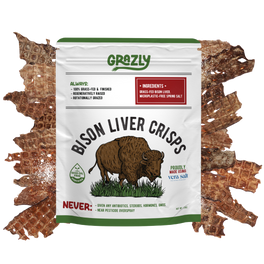
If you're new to organ meats, a little creativity goes a long way toward making them genuinely enjoyable. Liver works beautifully marinated and grilled, or blended into a smooth pâté — soaking it in milk or an acidic marinade beforehand can also mellow its stronger flavor for first-timers. Heart holds up well in a slow-cooked stew, absorbing rich flavors over time and taking on a texture closer to a lean, dense steak than what "heart" might suggest. Don't be afraid to experiment with bold spices and different cooking methods — it's often the easiest path from "hesitant" to "hooked" when it comes to organ meats.
What Are Common Questions About Organ Meat Nutrition and Consumption?
A few questions come up again and again when people start exploring organ meats. Clearing them up makes it easier to enjoy these foods with confidence, backed by accurate information rather than myths.
Which Organ Meat Has the Highest Iron and Vitamin A Content?
Liver takes the top spot for both iron and vitamin A content among organ meats. A single serving of beef liver can deliver more than 100% of the recommended daily intake for each — making it one of the most nutrient-dense foods you can put on a plate, and a big part of why even a small, occasional serving can meaningfully move the needle on your overall nutrient intake for the week.
Are There Any Risks or Contraindications Associated With Eating Organ Meats?
Organ meats are highly nutritious, but they're not risk-free for everyone. People with gout or certain allergies should be cautious, since organ meats are high in purines and other compounds that can trigger flare-ups or reactions. Moderation matters too — eating too much can lead to nutrient overload, particularly with fat-soluble vitamins like A, which the body stores rather than excreting when there's excess. In practice, this usually just means treating liver as an occasional feature of your week rather than a daily habit. If you have an existing health condition or take medication regularly, it's worth checking with a healthcare provider before making organ meats a regular part of your diet.


Leave a comment
This site is protected by hCaptcha and the hCaptcha Privacy Policy and Terms of Service apply.