


Easy Meat Stick Recipes and Brisket Dishes
By Grazly Editorial Team · Updated 2026-08-03
Grazly, based in Fort Lauderdale, FL, crafts simple meat stick recipes using grass-fed ground beef, garlic powder, and smoked paprika. There are two reliable ways to make them at home: a quicker piped-and-smoked method, or a slower staged-temperature method for a firmer, more traditional snap. Brisket follows its own path — a simple dry rub of salt, pepper, and cumin, then slow-smoked low and steady until the fat renders and the meat pulls apart tender.
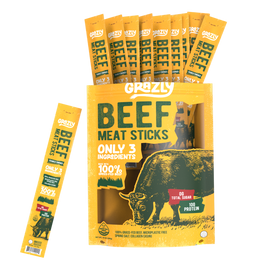
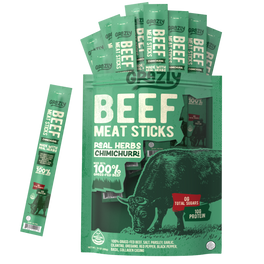
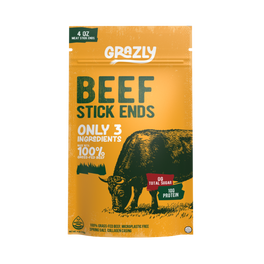
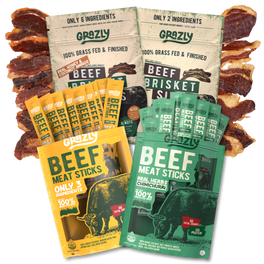
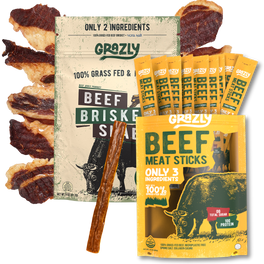
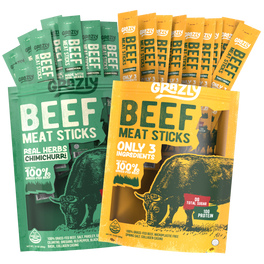
Grazly's meat sticks use three ingredients: grass-fed beef, Vera Salt, and collagen casing. For brisket, low-and-slow smoking with natural marbling delivers tender, buttery-finished results without dryness.
Key Takeaways
-
Homemade ground beef jerky sticks require just a few hours using a smoker, oven, or dehydrator for preparation.
-
Smoked beef sticks cook at 150°F-160°F for 1.5-2 hours, then finish at 175°F in a cabinet smoker.
-
Venison beef sticks need 10-15% beef or pork fat added to achieve proper texture and flavor balance.
-
Texas Twinkie beef sticks combine 90/10 ground beef, brisket, bacon, jalapeños, and cheese for a savory smoked snack.
What Makes Homemade Meat Sticks and Brisket Worth Making?
Ingredient counts separate real food from processed snacks. A premium meat stick requires only three clean ingredients: grass-fed beef, a mineral salt, and a natural collagen casing. Gas station versions rely on fillers, mystery meat, and seed oils to cut costs. Home cooks who master meat-stick-recipes skip that entire problem by controlling exactly what goes into the mix.
Sourcing matters just as much as the ingredient list. Traceability from pasture to package, with beef linked to specific US ranches processed in small-batch facilities, sets a benchmark worth demanding from any butcher counter. Backyard pitmasters should ask where their brisket and ground beef actually come from before firing up the smoker — grass-fed, pasture-raised beef tends to carry a leaner, more consistent fat profile than conventional grain-fed options, which matters when rendered fat is doing a lot of the work over a long smoke. Cheaper, inconsistently sourced beef can introduce more variability batch to batch, which shows up as unpredictable texture in the finished sticks or slab.
What ingredients go into a basic brisket slab recipe?
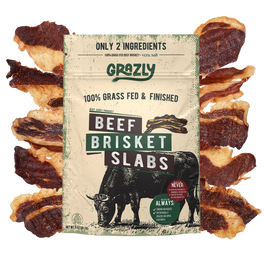
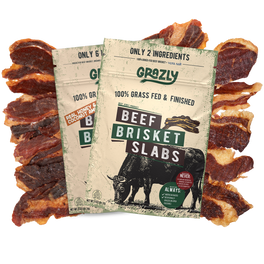
A quality brisket-slab-recipes approach needs just two components: grass-fed beef brisket and salt. No sugar, no vague "natural flavors," no preservatives, no seed oils belong anywhere near the cure.
Can homemade beef sticks replace store-bought ones?
Yes. Ground beef and pork, blended with spices and a liquid binder, pipe easily through a jerky gun onto smoker racks. That single technique delivers quick-grass-fed-meals without sacrificing flavor or ingredient integrity.
-
Grass-fed beef
-
Mineral salt
-
Collagen casing
-
Ground pork (for jerky-style sticks)
-
Spice blend plus liquid binder

How Do You Make Meat Sticks and Brisket Step by Step?
Two techniques separate a properly made snack stick from a rubbery gas-station imitation: piped ground meat cooked hot and fast, or whole muscle dried low and slow. Home cooks exploring meat stick recipes typically choose between these methods depending on available equipment and patience for the process.
What's the fastest method for homemade beef sticks?
Ground beef mixed with pork, spices, and a liquid binder like sriracha or maple syrup forms the base for quick smoker sticks.
Ingredients:
-
Ground beef
-
Ground pork
-
Spice blend
-
Liquid binder (sriracha or maple syrup)
Steps:
-
Combine ground beef, pork, spices, and binder until evenly mixed.
-
Load the mixture into a jerky gun.
-
Pipe strips onto smoker racks.
-
Smoke at 225°F for approximately 3 hours until fully cooked.
A slower alternative holds cabinet temperature at 150°F-160°F for 1.5 to 2 hours, then raises heat to 175°F until sticks hit an internal temperature of 152°F. This staged approach produces a firmer, more traditional snap.
Why does brisket jerky turn out tender instead of chewy?
Natural marbling paired with slow drying keeps brisket slab recipes from turning tough. Grass-fed yellow fat renders slowly during that process, leaving a buttery, concentrated beef flavor rather than a dry, leathery bite. For pitmasters building quick grass-fed meals around a smoker session, starting with well-marbled brisket eliminates the guesswork that ruins homemade jerky. Trimming too aggressively before smoking is one of the most common mistakes — leaving a modest fat cap intact gives the meat something to render into throughout the long cook, rather than drying out from the outside in.
For whole brisket itself, rather than brisket jerky, the same low-and-slow principle applies at a larger scale — smoked at a steady 225°F-250°F for roughly 12 to 14 hours, until the internal temperature reaches around 203°F and the meat pulls apart with a fork. Brisket tends to hit a "stall" partway through cooking, where the internal temperature plateaus for a few hours — pushing through it with steady, low heat rather than cranking the temperature is what produces the tender, buttery result pitmasters are after.
What Variations, Tips, and Storage Work Best?
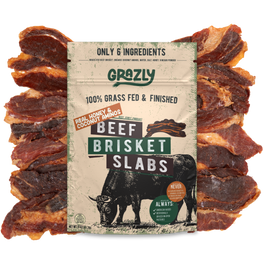
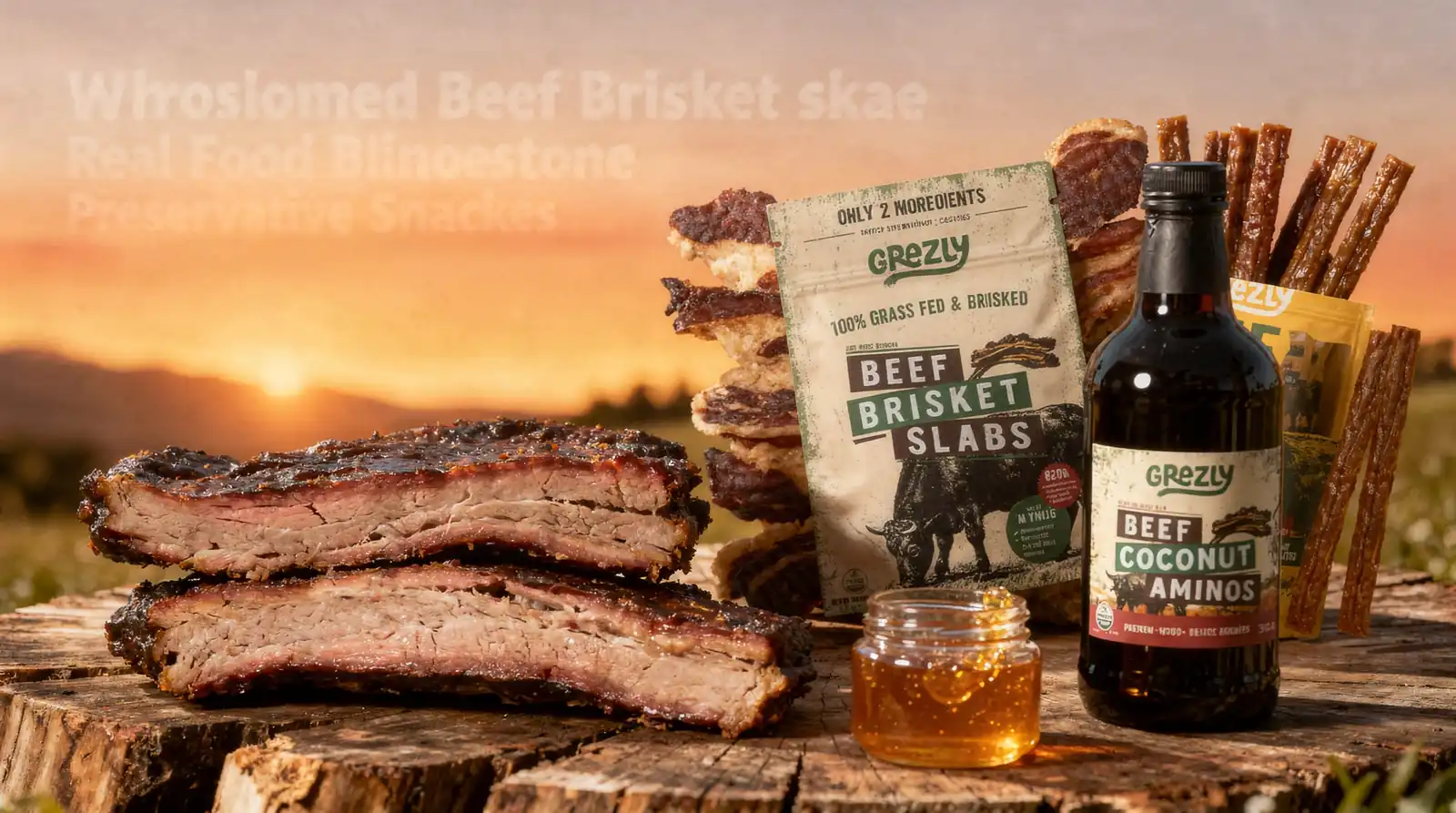
Two variations separate serious pitmasters from occasional dabblers: a sweet-savory teriyaki brisket and a stuffed ground-beef stick. Real raw honey paired with organic coconut aminos produces a teriyaki-style brisket slab recipe without a drop of soy or gluten, made with Grazly's raw honey and coconut aminos brisket slabs. The formula stays simple: brisket, coconut aminos, water, sea salt, honey, and vinegar powder. Six ingredients total, no preservatives, no vague "natural flavor" fillers — you can find the same ingredients ready-made in Grazly's brisket slabs.
Beyond these two, a simple black pepper and garlic version is worth keeping in rotation as a baseline — it's the easiest way to taste how well-sourced beef performs on its own, without other flavors masking the result. Once that base recipe is dialed in, swapping the spice blend (smoked paprika and cayenne for heat, or rosemary and thyme for a more savory profile) is a low-risk way to build variety without reworking the whole process each time.
Can leftover brisket become meat sticks?
Yes. Leftover brisket mixed into 90/10 ground beef creates a stuffed-style stick with meatier texture and less grease. Adventurous cooks substitute venison or elk for a leaner, gamier variation without changing the technique. Repurposing leftovers into stuffed Texas Twinkie sticks with jalapeños, bacon, and cheese is one of the simplest ways to turn a single smoker session into two different meals.
How should finished sticks and slabs be stored?
Cooled sticks and slabs belong in an airtight container, refrigerated for shorter-term use or frozen for extended freshness. Portioning them into single servings turns any batch into one of the more convenient quick grass-fed meals available for lunchboxes or trail bags. Vacuum-sealing before freezing helps prevent freezer burn and keeps texture closer to fresh once thawed — refrigerated sticks generally hold their best texture for about a week to ten days, while properly frozen and sealed batches keep well for several months. Labeling bags with the date they were made is a small habit that saves guesswork later, especially if you're running multiple batches or flavor variations at once.
Consider this comparison before choosing a batch:
| Variation | Key Ingredients | Protein Profile |
|---|---|---|
| Teriyaki Brisket | Brisket, honey, coconut aminos, salt, vinegar powder, water | High-protein, zero soy |
| Stuffed Beef Stick | 90/10 ground beef, leftover brisket, venison/elk option | 10g protein, zero sugar, zero carbs |
Following these meat stick recipes consistently protects flavor, texture, and nutrition alike.

Leave a comment
This site is protected by hCaptcha and the hCaptcha Privacy Policy and Terms of Service apply.