








Managing Chronic Inflammation Through Diet
By Grazly Editorial Team · Updated 2026-07-15
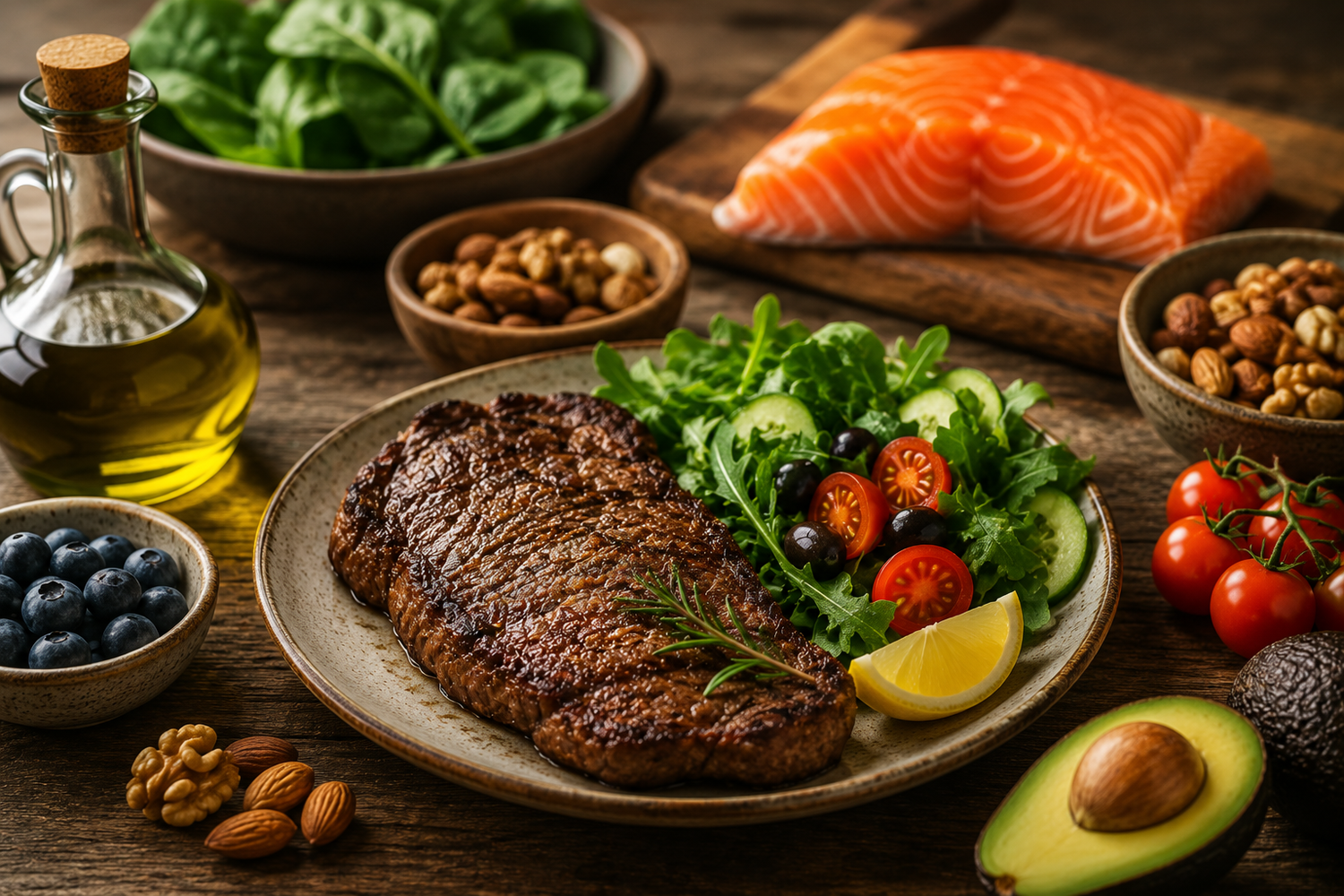
Dietary strategies to manage chronic inflammation center on adopting a Mediterranean-style eating pattern, emphasizing omega-3-rich fatty fish, colorful vegetables, olive oil. Whole grains while eliminating processed foods and refined sugars. Research confirms that consistent adherence to anti-inflammatory diets reduces inflammatory markers like C-reactive protein, supporting long-term disease prevention.
Dietary approaches to managing chronic inflammation center on adopting an anti-inflammatory eating pattern, such as the Mediterranean diet. Emphasizes whole foods, healthy fats, and antioxidant-rich vegetables. Chronic inflammation is linked to major diseases including cancer, heart disease. Diabetes, making consistent dietary choices a powerful tool for long-term health protection.
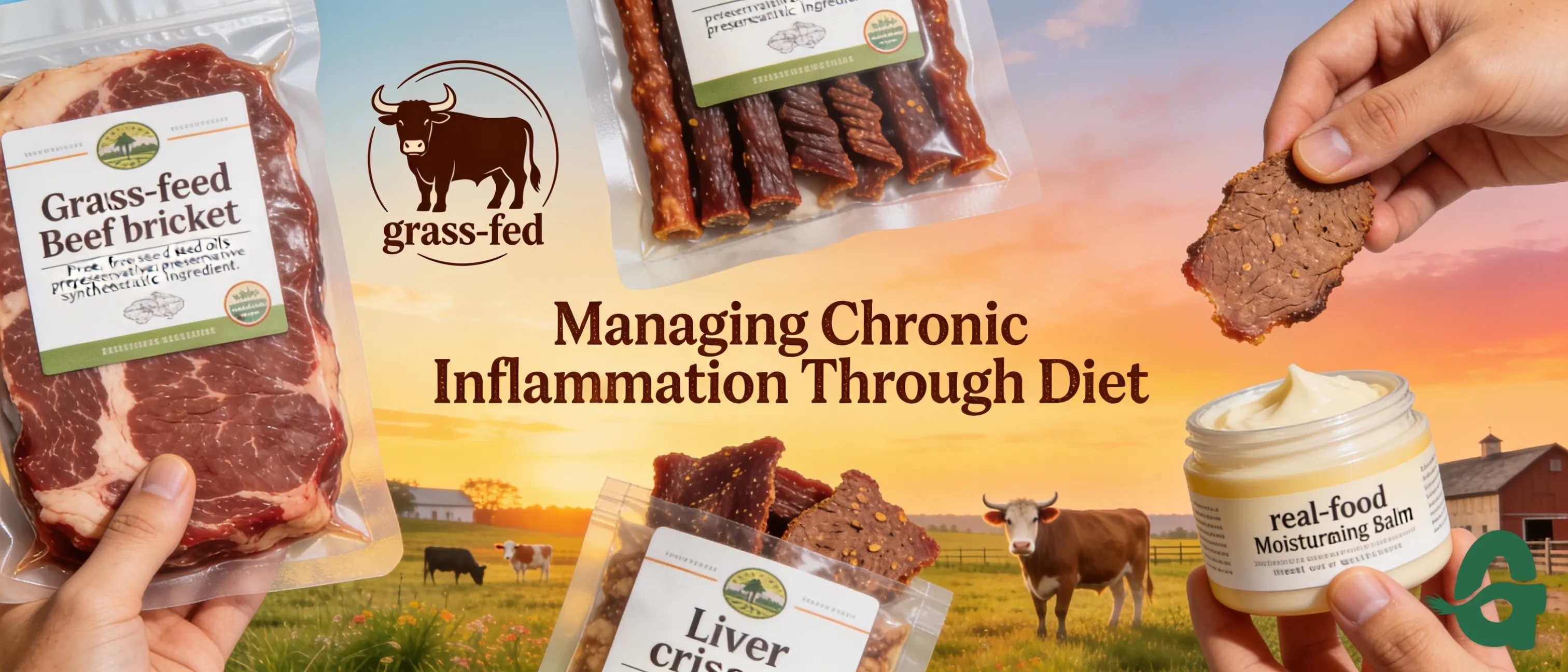
Chronic inflammation drives conditions ranging from heart disease to autoimmune disorders. Centering meals around real, whole foods and nutrient-dense animal proteins. Particularly grass-fed ruminant meats — addresses inflammation at its root. Grazly's founders reversed Crohn's disease and juvenile rheumatoid arthritis through exactly this dietary shift, achieving full remission without medication.
Key Takeaways
- Anti-inflammatory diets like the Mediterranean diet reduce body-wide inflammation through strategic food choices.
- Chronic inflammation develops when the immune system's protective response persists unchecked over time.
- Eliminating processed foods and adding whole foods directly decreases inflammatory markers in the body.
- Regular anti-inflammatory eating patterns help prevent arthritis and other inflammation-related health complications.
What Does Chronic Inflammation Actually Do to You?
Chronic inflammation is a persistent, low-grade immune response that damages the body over months and years. Unlike the short-term inflammation that heals a cut, chronic inflammation quietly accelerates disease buildup without a clear external trigger.
Major diseases linked to chronic inflammation include:
- Cancer
- Heart disease
- Diabetes
- Arthritis
- Depression
- Alzheimer's disease
That list is not a coincidence. Chronic inflammation acts as a slow-burning accelerant across multiple body systems simultaneously.
Why Does Chronic Inflammation Keep Going Even When There's No Injury?
The immune system misreads internal signals — poor diet, environmental toxins, and metabolic stress — as ongoing threats. The body stays in a defensive state it was never designed to maintain long-term. Over time, that sustained response damages healthy tissue rather than protecting it.
Can Food Actually Reduce Inflammatory Markers?
Diet is one of the most direct levers available for managing chronic inflammation. A reduce inflammation diet built around anti inflammatory ancestral foods. Particularly grass-fed ruminant meats — addresses the problem at the source. Human studies on nutrients from grass-fed ruminant meats show a a notable share reduction in inflammatory markers, a measurable outcome that processed-food diets simply cannot replicate. The role of organ meats inflammation research plays here is significant: nutrient density from ancestral sources delivers compounds that directly modulate immune response.

Which Foods Actually Fight Inflammation Best?
The most powerful tools for a reduce inflammation diet come from food, not the pharmacy. Experimental studies have demonstrated that specific components in whole foods and beverages carry measurable anti-inflammatory properties. Properties that processed, additive-laden products simply cannot replicate.
Eating patterns built around whole, minimally processed foods consistently outperform single-ingredient "superfoods." The Mediterranean diet, for example, is one of the most studied frameworks for reducing body-wide inflammation, emphasizing quality proteins, healthy fats. Nutrient-dense whole foods over refined ingredients.
What makes ancestral foods so effective at fighting inflammation?
Anti inflammatory ancestral foods work because bioavailability matters. Nutrients locked inside a notable share grass-fed, pasture-raised animal products are absorbed and used by the body far more efficiently than synthetic supplements or grain-fed alternatives. Grass-fed ruminant meats deliver a concentrated profile of nutrients in the form humans evolved to process.
How do organ meats fit into an anti-inflammatory eating plan?
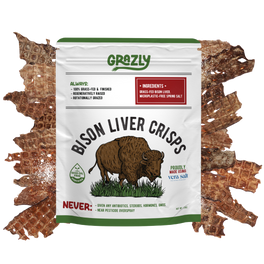
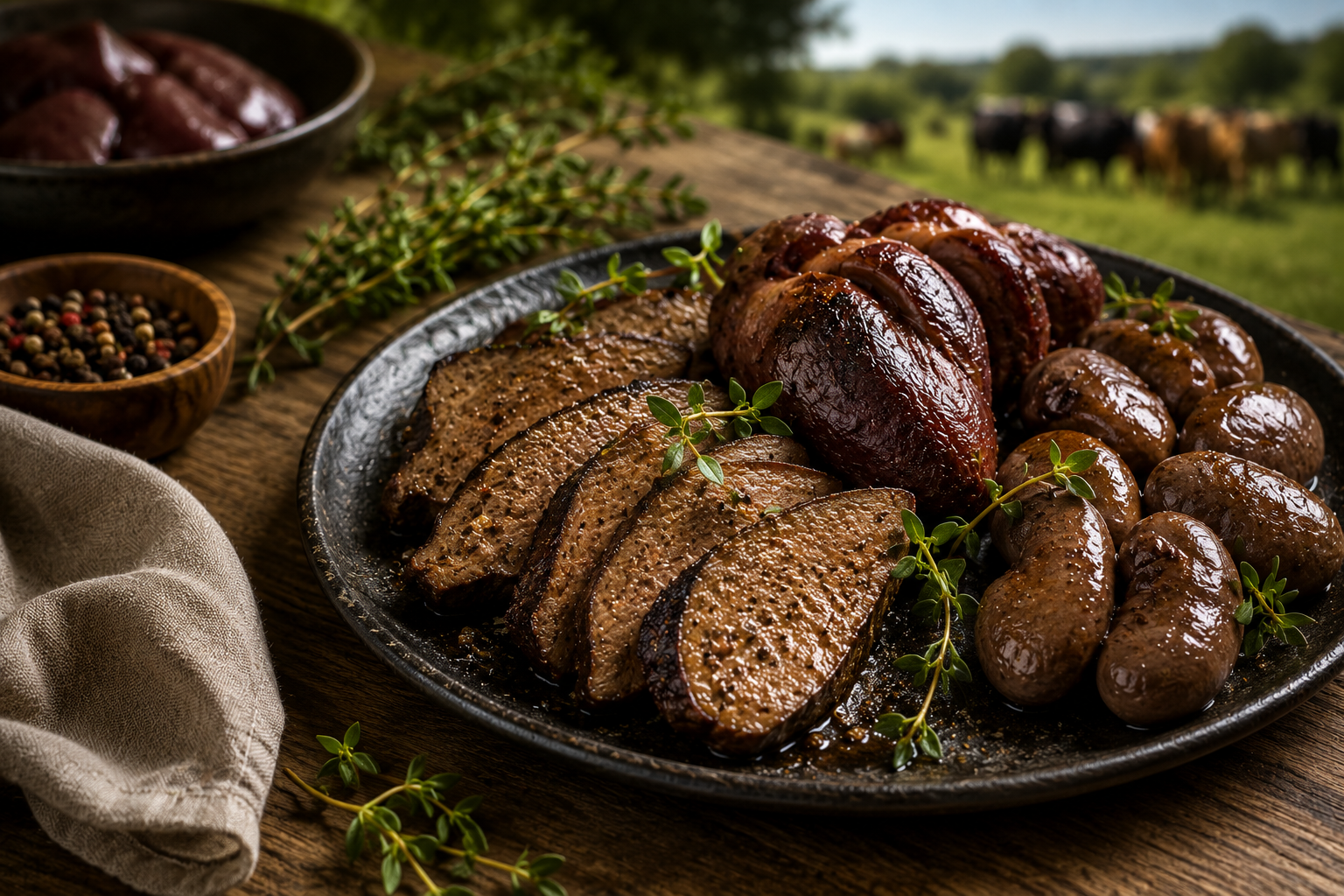
Organ meats inflammation research points to organ meats as among the most nutrient-dense foods available. The connection is straightforward: organs concentrate vitamins, minerals, and cofactors that support the body's own regulatory systems — the same systems that keep chronic inflammation in check.
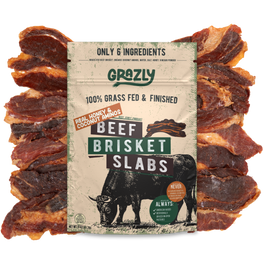
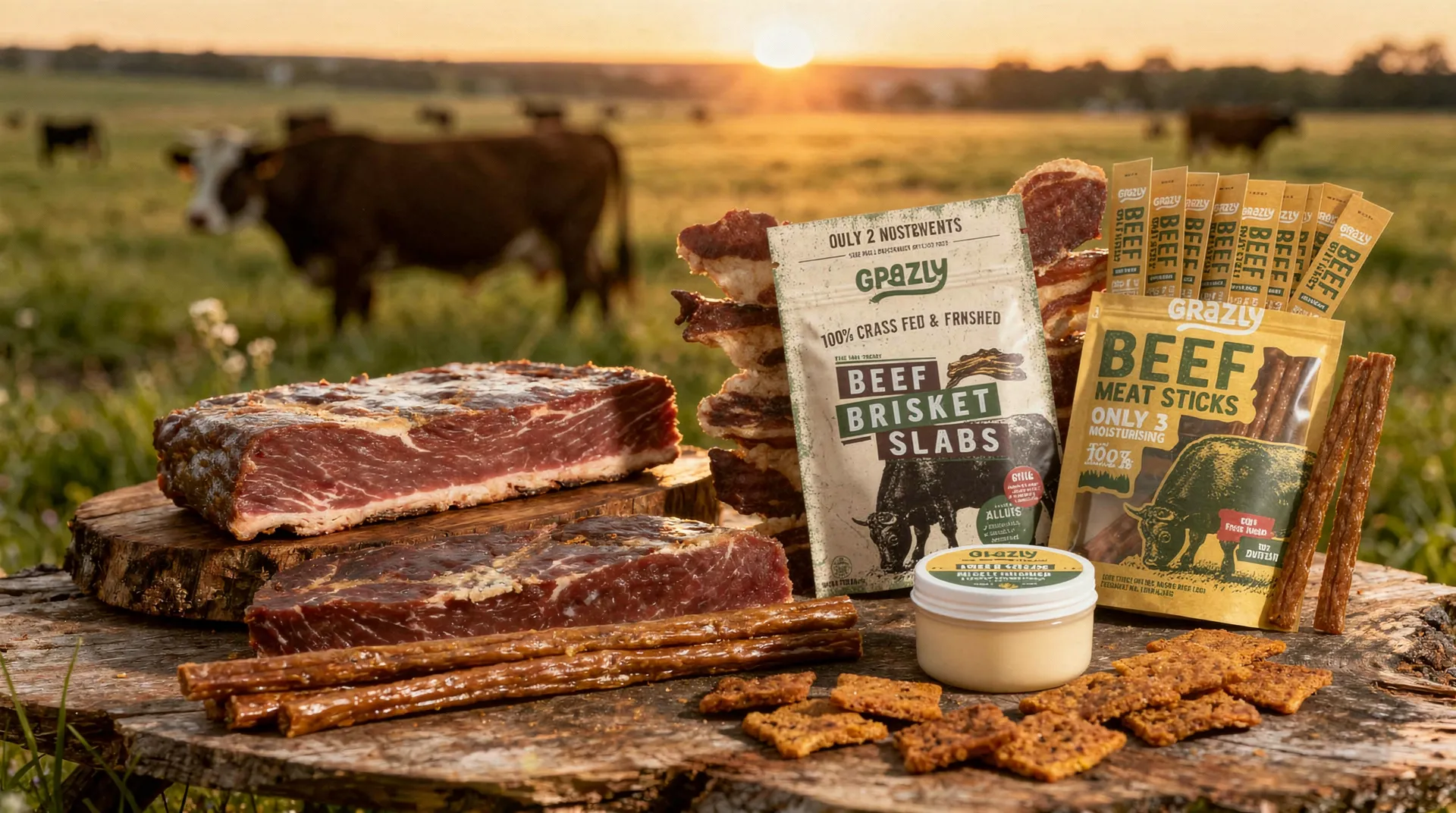
Grazly's grass-fed beef brisket slabs illustrate the standard anti-inflammatory foods should meet:
- Two ingredients only: grass-fed and finished beef brisket plus spring salt
- Zero additives: no sugar, no preservatives, no seed oils
- Full traceability: every batch sourced from regenerative, a notable share grassland-raised farms
Clean sourcing is not a marketing claim. It is the baseline.
How Do Organ Meats and Ancestral Foods Reduce Inflammation?
Organ meats inflammation research points to a clear pattern: nutrient-dense, whole-animal eating directly addresses the root drivers of chronic inflammation. A reduce inflammation diet built around grass-fed ruminant meats and organ meats delivers concentrated micronutrients that processed food simply cannot replicate.
The founding story behind Grazly makes this concrete. Two brothers — one diagnosed with Crohn's disease, the other with juvenile rheumatoid arthritis. Found that months of eating real, whole foods and organ meats put both conditions into remission. Both discontinued expensive immune-suppressing medication. That outcome shaped Grazly's entire mission: removing barriers to anti inflammatory ancestral foods. Every consumer can take control of their own health.
What Makes Grass-Fed Ruminant Meats Different From Conventional Protein?
Nutrients from grass-fed ruminant meats have been shown in human studies to produce a a notable share reduction in inflammatory markers, a a notable share improvement in skin firmness and smoothness. A a notable share reduction in brain fog and low cognitive function. Conventional grain-fed protein delivers none of those documented outcomes.
Why Is Nose-to-Tail Eating Central to an Anti-Inflammatory Diet?
Organ meats concentrate vitamins, minerals, and cofactors that muscle meat alone lacks. Grazly's nose-to-tail nutrition model makes the most nutrient-dense, grass-fed options accessible. Closing the gap between ancestral eating principles and modern convenience.
Managing chronic inflammation through diet requires rejecting the processed food industry's deceptive marketing. Returning to nutrient-dense, whole foods our ancestors thrived on. Grass-fed meats, organ-based nutrition, and real ingredients without seed oils or synthetic additives address inflammation at its source. This shift demands critical thinking and commitment. The evidence is clear: genuine health emerges from honest food choices, not corporate promises. Your body responds to real nutrition.
FAQ
What diseases does chronic inflammation contribute to?
Chronic inflammation links directly to cancer, heart disease, diabetes, arthritis, depression. Alzheimer's disease, acting as a slow-burning accelerant across multiple body systems simultaneously.
Do grass-fed ruminant meats reduce inflammatory markers?
Human studies on nutrients from grass-fed ruminant meats show a a notable share reduction in inflammatory markers, an outcome processed-food diets do not replicate.
Which eating pattern most effectively reduces body-wide inflammation?
The Mediterranean diet is one of the most studied frameworks for reducing body-wide inflammation, emphasizing quality proteins, healthy fats. Nutrient-dense whole foods over refined ingredients.

Leave a comment
This site is protected by hCaptcha and the hCaptcha Privacy Policy and Terms of Service apply.